An independent artist is no stranger to the difficulties of finding a place to work on the cheap.
We’d all love a quiet environment for painting or a dedicated studio for our artist drafting table. But these days, available spaces for artists tend toward live-work development, communal cooperatives, or overpriced art studios inaccessible to working creatives.
Those of us looking for a place to make art in peace without racking up debt often ask, can you use a self-storage unit as an art studio?
Can You Use a Storage Unit as an Art Studio? – Key Takeaways
Zamrznuti tonovi / Shutterstock
- You can use a storage unit as an art studio, depending on what type of art you make and the rules of the particular self-storage facility.
- Other factors are whether you’re selling services directly from the unit and whether the storage unit falls under commercial zoning, residential zoning, industrial zoning, etc.
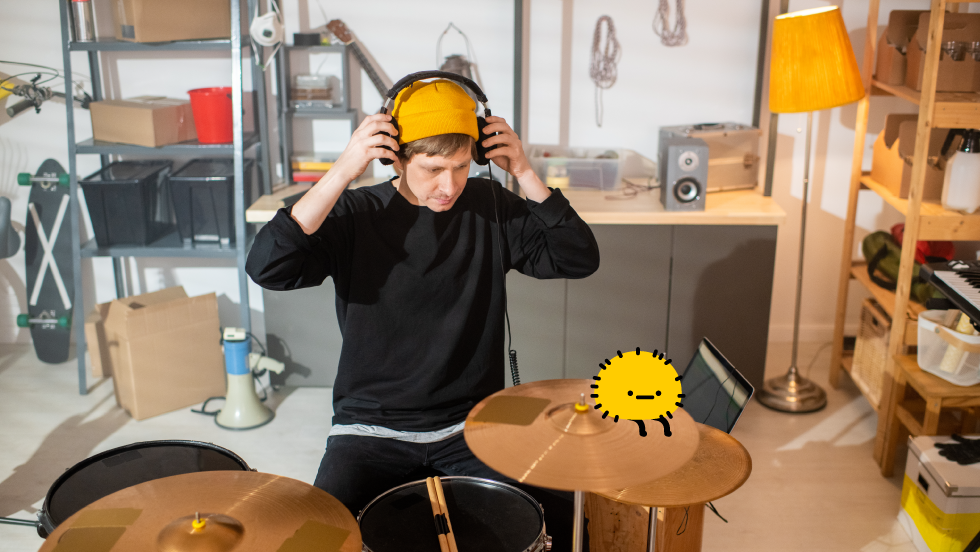
- In more than a few cases, laws and operators are lenient, allowing customers to use self-storage units as art studio spaces, office spaces, gyms, band rehearsal spaces, and even personal mechanic garages.
- Depending on where you live, the materials you’re using, and the time you work, you likely want to find a climate-controlled storage unit with a bathroom and trash pick-up amenities.
- Use our SpareFoot storage facility locator tool to search facilities in your area based on key features, such as climate control, 24-hour access, on-site security surveillance, etc.
Keep in mind that self-storage units are barebones and may not offer many amenities you need for an art studio. For starters, we suggest searching for electricity or running water–two must-haves for a self-storage workshop. They also do not provide proper ventilation if you are using chemicals, oil paints, or flames. Not to mention, the only bathroom might be in the manager’s office.
This article answers the question, can I use a storage unit as a workshop for art? We’ll explain how to set up a storage unit art studio and why. We’ll cover the importance of considering what your storage unit art studio will need ahead of time and how to find the ideal storage unit facility to make it happen.
How to Set Up a Storage Unit Art Studio

FrameStockFootages / Shutterstock
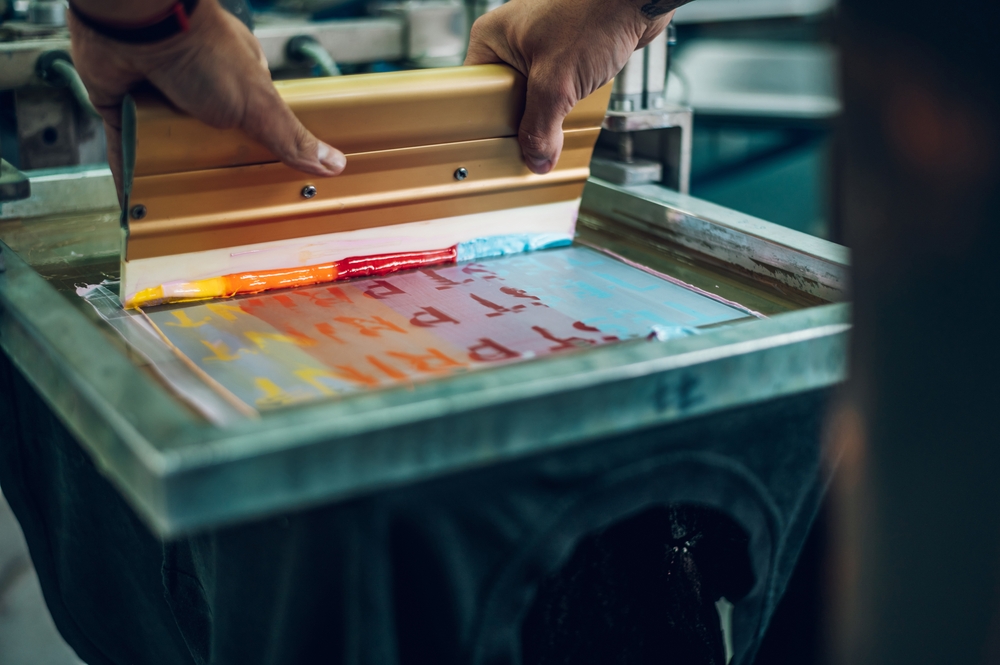
From oil painters to sculptors to printmakers, screen printers, and photographers, creative minds and artists can elevate themselves as business owners by setting themselves up in a storage unit art studio. Artists need to choose the proper storage facility, decide if a small or larger unit is ideal, and take steps to protect their storage units while also maintaining an inspiring space.
Again, it is absolutely crucial that you are completely up front with the self-storage facility about your intention to use the space as an art studio and obtain their approval to do so. Otherwise you could risk getting evicted if the use of the unit violates facility rules or local ordinances.
1). Choose the Right Storage Facility for Your Studio
Choosing the ideal storage space for your art studio largely depends on the type of art you plan to make. For example, if you’re using a soldering iron to work with metal, a sander to knock out carpentry, or even just some lights, you’ll need electricity.
If you plan on painting or developing photos using chemicals, your self-storage workshop will need ample ventilation. Not only are climate-controlled units ideal for maintaining a comfortable temperature to work in, but climate control also helps to prevent damage to your materials, tools, and artwork.
- To choose the right size, examine the floor plans of the facilities available in your area:
- A 10×15 square foot space is probably the smallest unit you’ll be comfortable in.
- A 10×20 studio storage unit gives you ample storage for art canvas storage, an art storage rack, art supply storage boxes, etc.
We suggest considering the parking situation, especially if you need to load and unload supplies, materials, or artwork for shows. Decide if you need ground-level access, 24-hour access, late-night front-gate keypad access, or on-site security to help narrow your search.
Finally, you’ll want to ensure the storage facility has no restrictions against “business storage units” and permits customers to work on-site.
2). Create Perfect Lighting For a Self-Storage Workshop
After isolating what storage unit amenities you’ll need to aid you in your craft and finding a storage unit in your zip code that can accommodate, it’s time to illuminate the inspiring space. Rather than turning to expensive studio lighting, we suggest wall-mounting industrial shop lights. Consider whether you need a storage unit with electricity for lamps and other electronic devices, as not all storage units are equipped with power.
3). Ensure Proper Air Circulation for Your Storage Space
Industrial fans can work in tandem with the storage facility’s ventilation to keep air circulating throughout your studio storage unit. Airflow is especially important if you’re using your inspiring space for painting or if your creative process involves chemicals–at the very least, work with the unit door open.
4). Use Dividers to Utilize Extra Space
Most storage facilities don’t allow permanent remodeling, but a temporary wall divider can help you stay organized. A free-standing divider or even a curtain can keep your French easel and drawing table separate from your unsightly stash of supplies and building materials.
You can use multiple removable walls to separate your office from your painting area or even to create extra space for a little gallery.
5). Protect Your Self-Storage Studio with Flooring
Upgrading the concrete slab of your studio space can not only personalize your creative space but also protect the concrete storage facility floor from spillage and damage.
Rubber kitchen mats protect your floors while keeping your back and foot health in mind. You can also throw down some old rugs or lay tarps down in areas where you risk paint spills.
The Benefits of Using a Storage Unit as an Art Studio

Zamrznuti tonovi / Shutterstock.com
For a starving artist, the affordability of a storage unit is alluring, as is the privacy and instant access to your creative projects. If you find a facility that is cool with it, here are a few reasons that a self-storage workshop might make the ideal art studio for you:
Storage units are cheap
Budget is a vital part of the self-management of any artist, and a self-storage unit is among the most affordable options for a workspace. A larger unit provides enough to work comfortably in–we recommend at least 10×10 to fit supplies, finished works, and yourself, although a 10×15 is ideal. Even a 10×20 square footer can be hundreds of dollars cheaper than renting an art studio or loft.
Use our SpareFoot storage unit search tool to isolate facilities in your area with the ideal amenities and payment options for your studio. Once you’ve got a shortlist derived from our search results in your hand, call up the facilities that seem like a good fit, let them know we sent you, and ask the manager point blank if you can use a unit as an art studio.
Storage units are secure and accessible
An artist who requires a flexible time schedule and peace of mind to get into the creative space finds both security and accessibility in a self-storage art studio.
Many of the storage companies in our listings offer 24-hour access, accommodating those late-night bursts of inspiration. Modern security measures like camera surveillance or on-site security guards come standard in most cases, keeping you and your art supplies safe.
For extra protection, you’ll want to secure your studio unit with self-storage locks to make sure your art is secure when you leave. In addition, a storage workspace provides a convenient place to store the works you plan to keep until they gain more value. Check out our artwork storage tips to keep those masterpieces intact.
Storage units offer privacy
If you prefer the peace and quiet of a solitary workspace, then self-storage is the perfect setting for you. A storage facility can be one of the quietest places around, as most of the tenants are others in and out of their unit or isolated inside their own self-storage workshop. For the same reason, you can feel free to blast your work playlist without fear of bothering neighbors.
Storage units can be tax-deductible
If art is your livelihood, you may qualify for a tax break for your storage expenses. The 1040 form has plenty of opportunities to write off work-related expenditures, and renting a self-storage workspace often counts as one.
Storage facilities are a great source of inspiration
Any given storage facility has countless stories behind the stuff stored in its units. Is there a musician down the hall? A photographer? A motorcycle mechanic? Whatever it is, your tenure with self-storage is sure to provide plenty of stories to feed your creative output.
”Art
Can you use a storage space as an art studio?
You can use a storage unit as an art studio if the facility allows tenants to work inside their units. Be sure your self-storage workshop has adequate lighting, ventilation, and space for work and storage of art supplies.
Can I make art in a storage unit?
You can make art inside a storage unit as long as the facility's policies or the local zoning laws don't prevent work or hobby activities or the use of power tools or hazardous materials you might need for your art form. Storage facilities may lack adequate ventilation, unless you are able to work with the door open.
How much storage space do I need for a studio?
A 10x10 or a 5x15 is probably the smallest-sized storage unit that's still big enough to work, build, or make art inside while still providing ample space for organization and storage. Consider the extra space that lighting, desks, and drawing tables require.
Can I use a storage unit as a workshop?
You can use a storage unit as a workshop if the facility is zoned for commercial use or if their policy permits it. Other factors include proper ventilation, electricity, water, and bathroom facilities, and routine trash services.
Finding the Ideal Art Studio Storage Unit
The first step toward an affordable and personalized art studio is to locate a facility that permits you to work inside your storage space. Our Sparefoot storage unit locator tool can help you search facilities in your area based on key features.
Electricity is vital to some art forms. That said, a storage unit without electricity isn’t necessarily a deal breaker, thanks to battery-powered lamps, fans, and/or heaters and battery-powered tools. Use rechargeable batteries to reduce your environmental footprint, or try a solar-powered lamp that you can charge during the day and use through the night.
Choose a unit that offers ample space to create, such as a 10×10, 5×15, or 10×15. Larger 10×20+ units offer additional storage space for art canvas storage, art supplies, and archival art storage. Adding shelving and dividers can help you stay organized.
If your storage studio lacks ventilation, you may need to work with the door open, especially in the summertime. If temperature and ventilation are non-negotiables based on your materials or personal sensitivities, search our listings for a climate-controlled self-storage unit.
SpareFoot gives you access to the largest marketplace for storage facilities of all types, and our storage search tool makes finding ideal facilities for a self-storage workshop as easy as entering your zip code, filtering the options, and scrolling the results until you find exactly what you need. Again, be sure to clear your plans with the storage operator. Some facilities are happy to rent to artists as studios, while others have strict no-work policies.

Michael Ta’Nous
Michael Ta’Nous is a full-time writer who works and lives with his wife in Taos, New Mexico. “Mikey” spent his early twenties living either out of a van as a touring musician or out of a backpack on motorcycle trips writing from cafes–these rigorous adventure years polished him into a master packer. In addition to managing storage units full of catering supplies and outdoor gear professionally, Michael has used storage units as a band rehearsal space and a motorcycle garage.