There are numerous reasons why you might be storing your car long term. You could be here because you’re storing your car for winter, and it’s time to put your seasonal convertible cruiser away.
Maybe you’re going out of town for an extended period, or maybe you have a new daily driver, and you’re saving old faithful for the kids.
Regardless of the cause, if you don’t know how to store a car long-term, the effects long-term car storage can have on your vehicle could cause irreversible damage.
Improper car storage can cause more than just a dead battery and flat, dry, rotted tires – people come back to their sitting car and flip up the hood to find a seized, rat-infested engine where their power-pumping motor used to be.
But SpareFoot is here to help. Our expert guide will walk you through the essential steps of prepping your car for storage and storing it long term. We’ll even give away a few tricks and tips on finding a cheap car storage facility in your area that offers all the amenities you need and more.
In fact, choosing a proper storage location is so important that we made it our first step!

1. Choose a Proper Storage Location
Unless you have a private, sealed, and weather-proofed garage, we suggest storing your car in a storage unit. Before we explore what makes a covered storage facility the ideal place to store your car, let’s take a look at all your options:
- Outdoors, under a car cover or tarp
- In the garage
- Under a carport of a covered car storage
- At a car storage facility
Again, we suggest an indoor space like a garage or a storage facility for a few different reasons. First off, even a car under a tarp or carport is exposed to moisture and wet weather.
And regardless of what many of us think, the season has little to do with wear and tear since cold weather and the harmful UV rays emanating from the sun in the summertime are equally damaging to your interior leathers and fabrics and your exterior paint job.
Keeping a car indoors not only shields your vehicle from destructive weather – it also prevents scratches and dents from pebbles and materials carried by the wind and kicked up by other cars. A carport won’t do much to protect your car from a sand-blasting spring wind or a fleet of summer insects during mating season.
And moisture can cause condensation to build up in your fuel tank, which can damage your fuel injectors and impact your engine performance in noticeable ways that are expensive to reverse.
Of course, not all of us have the option – my motorcycle is tarped on my snow-covered front porch as we speak. If indoor storage isn’t an option, follow the steps below to prep your vehicle for storage. And be sure you cover it in a hefty tarp or a weatherproof cover.
2. Fill The Gas Tank
Next on our checklist of what to do when storing a car long term is to fill the fuel tank before you let it sit, especially if you’re storing your car for winter. If the tank isn’t full, the moisture can creep into the empty space.
The more space you leave in your gas tank – you guessed it – the more moisture will infiltrate and destroy, causing condensation build-up that contaminates your fuel, corrodes your fuel system, and causes rust to form in the tank.
If the rust starts to flake off into your fuel supply, you’re looking at serious damage to our fuel system and, eventually, your engine. And it’s not just the rust; leaving tank space for the cold air can cause your seals to dry out and crack.
If you plan on storing your car for more than 30 days, add some fuel stabilizers to the mix. This will prevent the fuel itself from degrading and gumming up, prolonging your fuel’s lifespan by up to a year. The stabilizer will also help lubricate the tank’s walls and seals, keeping them nice and fresh when you get back.
3. Clean Your Car Inside & Out

The next item on the list is to clean your car from top to bottom, inside and out. For starters, returning to a clean car feels a lot more fulfilling than coming back to a pig sty you need to tidy up before you can drive it.
But detail cleaning the interior and exterior is also a practical endeavor. Any dirt, grime, road salt, or oily fingerprints left on the outside of your vehicle could destroy your paint job.
What’s worse, they can become embedded, meaning when it’s time to take the car out of storage, those specs of dirt aren’t coming off without taking chunks of paint off with them. Tree sap, water, dead bugs, bird droppings, and dried mud are all potential sources of damage to your car’s exterior.
And as far as the inside of your car goes, even old clothes, backpacks, and shopping bags are a no-go. The potent smell that pools in an unopened car can be hard to get out of once it permeates the interior.
And any food or beverage residue or crumbs inside your car is an invitation to bugs and rodents to make themselves at home in your absence.
Before storing your car long term, detail clean it inside and out using these tips:
- Start with the interior and work your way out.
- Empty out the cup holders, consoles, door compartments, and glove box.
- Work from top to bottom, dusting and wiping the ceiling, windows, and upholstery, and then vacuuming your car out thoroughly.
- If your car has any leather inside it, use some protective leather lotion to treat the material and prevent it from cracking during rapid temperature shifts.
- Close all your vents to prevent any uninvited guests from entering while you’re gone.
- Now, move to the outside of the car.
- Use the age-old car washing technique of rinsing, soaping, and then rinsing again, moving from top to bottom.
- Thoroughly dry the entire exterior of your car.
- Apply a coat of wax to your car’s paint for an additional layer of protection against the elements.
4. Change the Oil
Another critical step to take before storing a car long term is to change the engine oil. If you let the vehicle sit for a prolonged period of time with worn oil, you’re risking a gunk build-up in your engine.
Emptying out the old and replacing it with a fresh batch of oil and a brand-new oil filter is crucial for keeping your engine in tip-top shape. Old engine oil contains contaminants like dust and moisture.
You don’t want contaminated oil sitting inside an inactive vehicle, or the moisture will fester. And when you start your car 6 months from now, that grody oil supply pumps through your engine and can cause some serious damage.
- If you’ve got the tools and know how to knock this task out yourself, more power to you.
- But if not, take your car to a trusted mechanic for an oil change.
- The mechanic will have the means to dispose of the old oil for you.
- If you do it yourself, pour the old stuff into the empty oil bottles the new lube came in and take them to the nearest auto parts store.
Note: If you’re storing your car for less than a month, you can go ahead, skip the oil change step, and move on.
5. Keep the Battery Charged
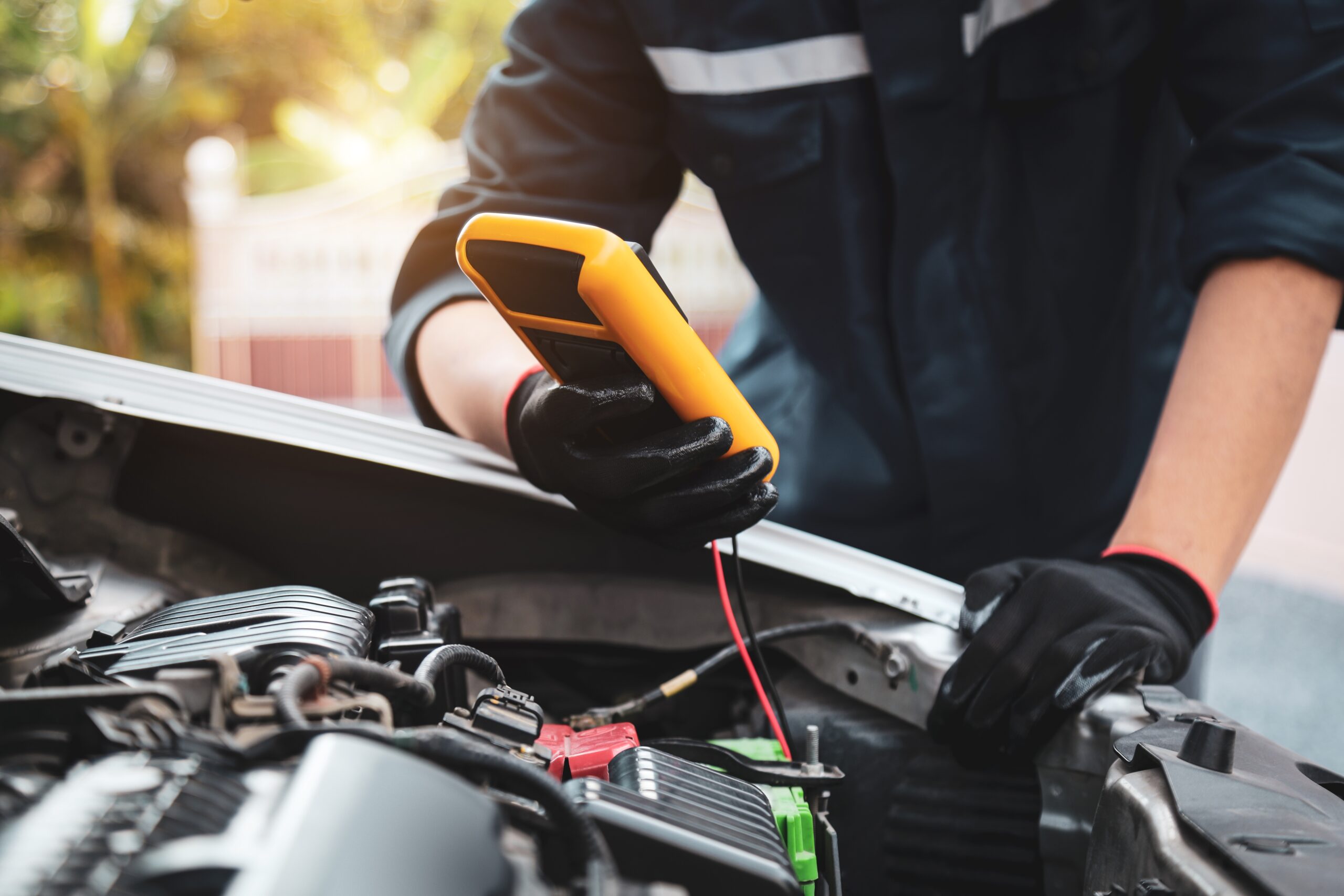
A battery hooked into a sitting car will eventually lose its charge due to what’s called parasitic drain. If the drained battery sits for an extended period of time, it will eventually fail for good and need to be replaced.
There are a few different methods you can use to prevent this ominous-sounding battery drain phenomenon from happening:
- You or a friend can stop by every two weeks, start the car, and drive it for a minimum of 15-20 minutes. In addition to charging your battery, giving your car this little recess break helps to lube your engine with oil. Running the air conditioner during this bi-weekly mini-cruise will keep the car ventilated with fresh air.
- Disconnecting the negative battery cable while the car is in storage is another way to prevent drainage. However, you’ll lose memory-saved settings like your time, stereo settings, customized driving modes, etc.
- Our preferred solution is to use a battery tender, also called a trickle charger or a battery maintenance charger. As the name implies, a trickle charger slowly charges your battery, depletes it slightly, and then charges it again. This cycle prevents the battery from either dying or overcharging and exploding.
In some cases, you’ll have to disconnect your battery from the car to use a trickle charger. Other maintenance chargers have attachments that let you hook right up to the battery while it’s in the car. Regardless of whether you have to remove the battery or not, you’ll need a power outlet to plug the charger into.
Battery tenders use a three-prong plug that plugs into your standard wall socket.
If the storage garage or outdoor area in which you’re storing your car long term doesn’t have an outlet, you can always store your vehicle battery at home or in your garage. First, you’ll have to detach it from your car following the instructions in your owner’s manual.
Then, you take it home and find a well-ventilated area to plug it in. We suggest charging your battery in a room with an open window or out on the front porch.
6. Do Not Use the Parking Brake
This may seem counter-intuitive, but you do NOT want to leave your parking brake engaged on a car that’s sitting in storage. If the emergency brake pads are locked onto your rotors for a lengthy period of time, they can fuse together.
The engaged brake will inevitably start to corrode, especially if you’re keeping your car outdoors. That said, the contact with the rotor itself for an extended period is enough to wear down the pads.
Once the pads start to wear, they can attach to the rotors to the point that you need to replace the rotors themselves along with the parking brake.
That said, you obviously still want to take some precautions so your car stays stable while it waits for you to return. We suggest utilizing tire chocks, also called tire stoppers or parking stops – wedges you can slide under your tire – to keep them in place.
If you don’t know where to get chocks or need a more affordable solution, wedge a piece of wood under each of your four tires to prevent them from rolling back and forth.
7. Park Your Car On a Plastic Sheet or Tarp
The next step on our journey toward perfecting the art of long term car storage is to park the car on a plastic sheet.
This is especially important if you’re storing your car outside, covered or uncovered, or in a garage or storage space with flooring exposed to moisture. The water can evaporate into your undercarriage and cause oxidation, rust, or corrosion.
The plastic sheet also helps to protect your vehicle from salt and mineral particles that may get kicked up into the undercarriage of your car. Salt speeds up the corrosion process, resulting in rust buildup, and rust can eat through your metal undercarriage lightning quickly.
You’ll want to use a plastic tarp or sheet that’s large enough to extend at least a foot or two out from your vehicle in every direction. If you’re storing your car outside in winter, you’ll want to park on top of a heavy-duty tarp that’s designed to guard against abrasive road salts and corrosive snow melt.
8. Fill Your Tires
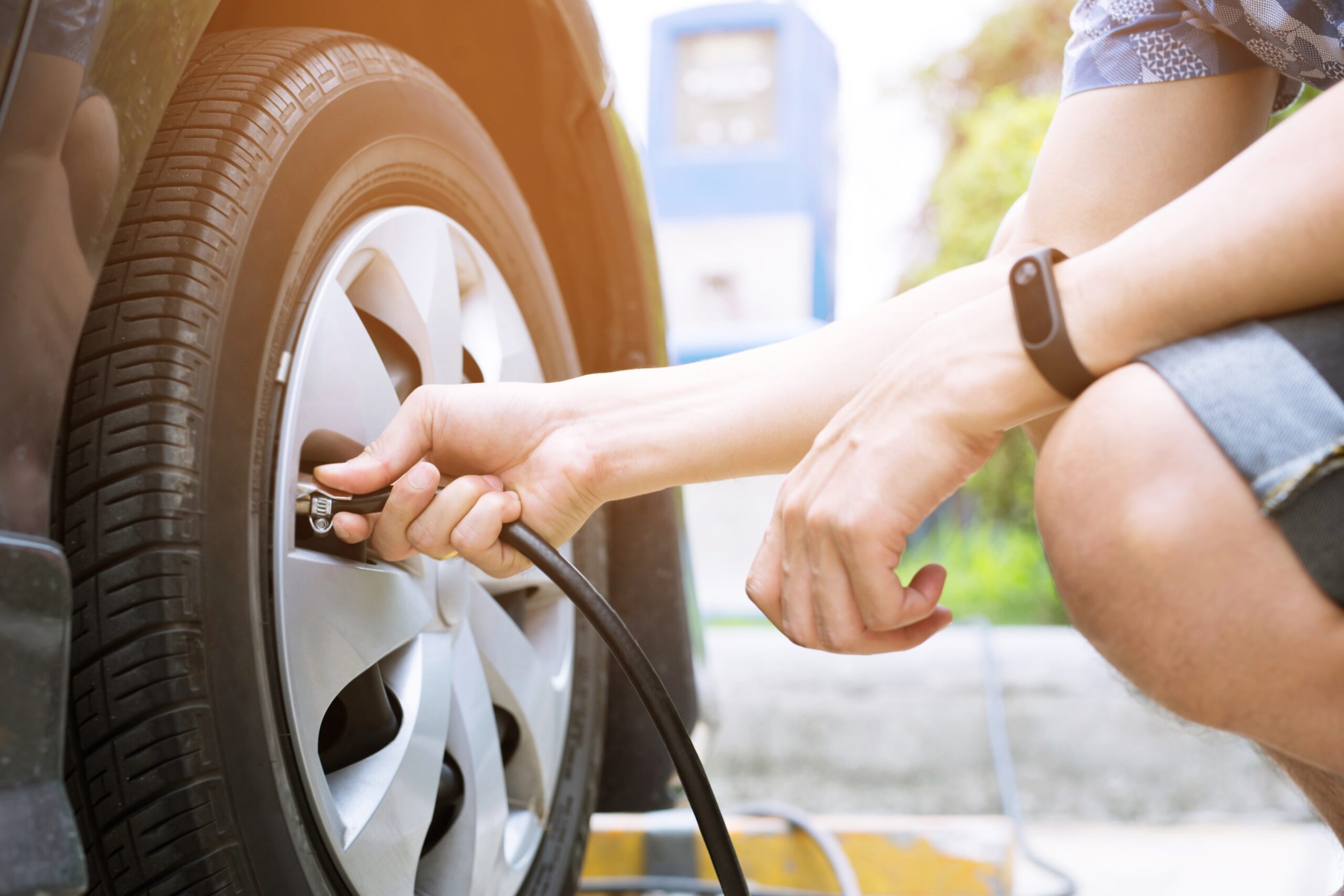
Before embarking on a long term car storage adventure, we suggest filing your tires to the maximum recommended tire pressure. If your tires are lacking pressure, the weight of the car presses them down. If this happens over a prolonged period of time, flat spots will form in your tires.
Flat spots form quicker in the cold weather, so this step is especially important when storing your car in the winter. Low-profile and performance tires are also more susceptible to developing flat spots due to a smaller surface area.
Tire pressure will change during the course of storage, especially if you’re storing your car for a number of months. The trick is to keep in mind that tire pressure increases when the weather changes from cold to hot and decreases when the weather shifts from hot to cold.
We suggest adding 5-10 PSI to the suggested maximum if you’re storing your car for more than just a month or two. You’ll also want to stop by and check the tire pressure out every so often, adding and releasing pressure as needed to keep the tire pressure in the maximum range.
9. Protect Your Wiper Blades
Another pro tip we’re here to share is protecting your windshield wiper blades by inserting a strip of plastic wrap under each wiper blade, both on the front and rear windshield.
Otherwise, if you leave your wipers in contact with the glass for an extended period, the rubber wiper blade strips can fuse to your window. If you don’t have any plastic wrap handy, you can protect your wiper blades by:
- Pulling the wipers off the window and extending them into the “out” position.
- Remove the windshield wipers altogether and store them somewhere safe until you return to the car.
10. Plug Your Tailpipe
You can stop any rodents, bugs, and other destructive critters from crashing into your sitting car by plugging up your tailpipe. While car storage unit facilities take steps to prevent this from happening, smaller pests like ants and spiders can still get through unnoticed.
Stuff your tailpipe with a balled-up newspaper, an old t-shirt, a ball of old but clean socks, a cluster of shop rags, or even a ball of aluminum foil. But be sure to unplug your exhaust pipe before you drive the car, or you’ll cause some serious damage to your exhaust system and maybe even your engine!
Other openings you should seal up when storing your car long term include:
- Air intake manifolds
- Air control valves
- Lose windows
- Air conditioner vents.
The A/C vents can be closed manually and then sealed shut with a piece of tape. The other potential pest entrances should be plugged with foreign objects like t-shirts and aluminum foil. For loose windows, roll the window down, insert weather stripping, foam, or a stack of old rags and shirts, and then roll it up until it’s tight.
Again, be sure to unplug all of these openings before you start the car for any amount of time. If you’re afraid you won’t remember to free up these openings, you can prevent pests from entering your car by surrounding your car with mothballs or peppermint oil-soaked cotton balls and mouse traps to keep pests out.
11. Elevate Your Vehicle (If Possible)
If you plan on storing your car long-term for half a year or more, overinflating the tires might not be enough to preserve them, especially if you’re not storing the car in a climate-controlled car storage unit.
While it definitely takes some hard work to do, elevating your vehicle on jack stands can stop your tires from developing flat spots, cracking, or rotting out.
That said, jacking your vehicle for an extended period can also change the shape of your vehicle’s frame.
Some cars don’t do well on a jack stand, so be sure to consult your owner’s manual before executing this step. Filling your tire pressure to the max and parking on a heavy-duty tarp or plastic sheet might be the safer bet.
12. Cover Your Vehicle
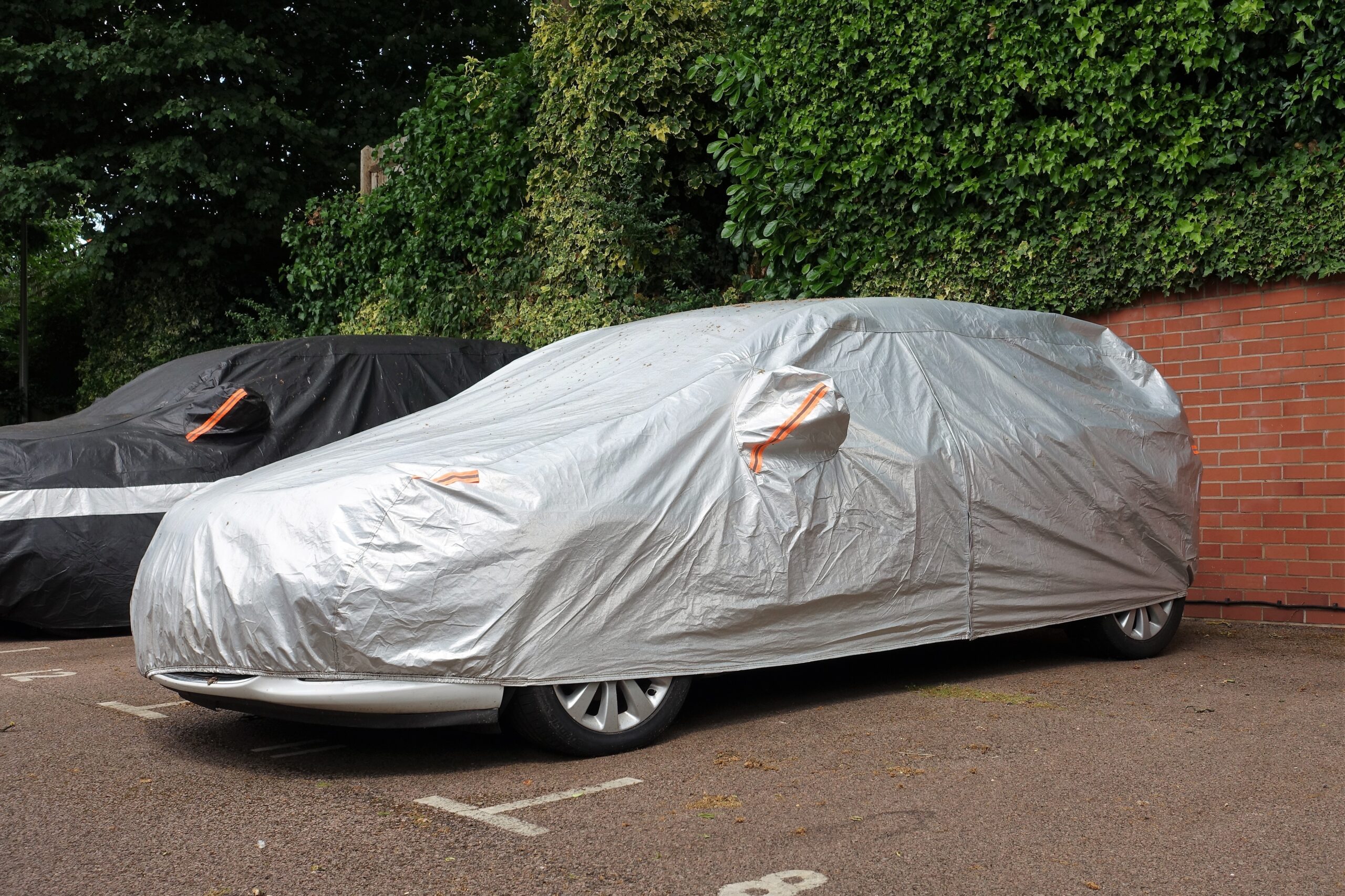
When it comes to long term car storage, you’ll want to cover your car in a hefty tarp or car cover regardless of whether you’re storing the vehicle indoors or outside. Not only do car covers protect against harsh UV rays and precipitation, but they also protect against moist air, dust, and debris that can find its way into even the most secure storage spaces.
Car covers also guard your vehicles against pests like rats and spiders.
If you’re storing a car outside, you’ll want to use a weatherproof cover and a sunshade on your windshield for extra protection. Solar heat can damage your interior even with a tarp covering your windows. Make sure the weatherproof cover fits nicely and snugly, as wind flapping can damage your car’s exterior.
Finally, some rags should be used to cover any leather interior to help protect against cracking caused by rapid temperature changes.
How SpareFoot Can Help Keep Your Car Protected and Safe
Now that you understand how to store a car long term, let’s take a look at the ideal storage location. We suggest storing your car indoors in a climate-controlled storage space, and we’ll explain why.
First off, let’s consider the ideal car storage options. Then, we’ll talk about how SpareFoot can help you find car storage.
- When storing a car at a storage facility, consider location, security, ease of access, the size of your vehicle versus the size of the parking space, and whether or not you need covered storage or even indoor storage.
- You’ll also want to consider how long you’ll be storing your vehicle and the amount of protection you need.
- Outdoor storage facilities, whether covered with a canopy or uncovered, are available for a lower price. But these more affordable options are typically intended for short-term vehicle storage.
- Indoor is the better move for long-term storage as it helps to prevent prolonged exposure to the elements that grind your vehicle’s condition down fast.
That’s where we come in. Whether you’re looking for an indoor or outdoor storage space, our handy car storage search feature can help you find a car storage facility of the ideal size.
More than a few of the car storage facilities in our listings offer the first month free, so you may even dodge paying anything at all.
Just enter your zip code into SpareFoot’s site to find the best deal on a dedicated vehicle storage space near you. SpareFoot gives you access to the largest marketplace for storage facilities of all types, and our storage search tool makes finding storage units ideal for long term car storage as easy as entering your zip code, filtering the options, and scrolling the results until you find exactly what you need.
FAQs
A car can be stored for 30 days without taking special precautions. After a month of car storage, you’ll need to fill the gas tank with a fuel stabilizer, change the oil, maintain battery charge with a battery tender, protect tires from flat spots, and prevent moisture buildup.
For long term car storage lasting more than 30 days, disconnect the negative battery cable or hook your car battery to a battery tender to prevent discharge. Or you can have someone start the car every two weeks, driving it for 15 minutes to maintain battery health and lubricate components.
Thoroughly clean the car inside and out, fill the gas tank with stabilizer, change oil, maintain battery charge, protect tires from flat spots, cover the vehicle, prevent pest intrusion, check tire pressure, and seal potential entry points.
When storing a car for winter, keep it in a heated garage. Use a weatherproof cover, fill the gas tank, add a fuel stabilizer, and maintain the battery charge with a trickle charger. Protect tires from flat spots by filing them to the max PSI and seal potential pest entries.
To store an electric vehicle long term, keep it in a cool, dry, indoor space with access to a power outlet, ideally maintaining the battery charge at around 50%. Top off the tire pressure to prevent flat spots. Consult the vehicle’s specific manual for precise long-term storage instructions.
A 10×15 car storage unit rents on average for about $80 a month. 10×15 is the starting storage unit size that’s big enough to store a car. Depending on the size of your vehicle, you may need a 10×20 or 10×30 unit or larger for storing an RV.
You can store a car in a storage unit if your vehicle fits inside and you have enough space to access the unit and tend to your car. Some storage unit facilities might not allow car storage. You might need to call or use our car storage search tool to confirm vehicle storage is allowed.

Michael Ta’Nous
Michael Ta’Nous is a full-time writer who works and lives with his wife in Taos, New Mexico. “Mikey” spent his early twenties living either out of a van as a touring musician or out of a backpack on motorcycle trips writing from cafes–these rigorous adventure years polished him into a master packer. In addition to managing storage units full of catering supplies and outdoor gear professionally, Michael has used storage units as a band rehearsal space and a motorcycle garage.