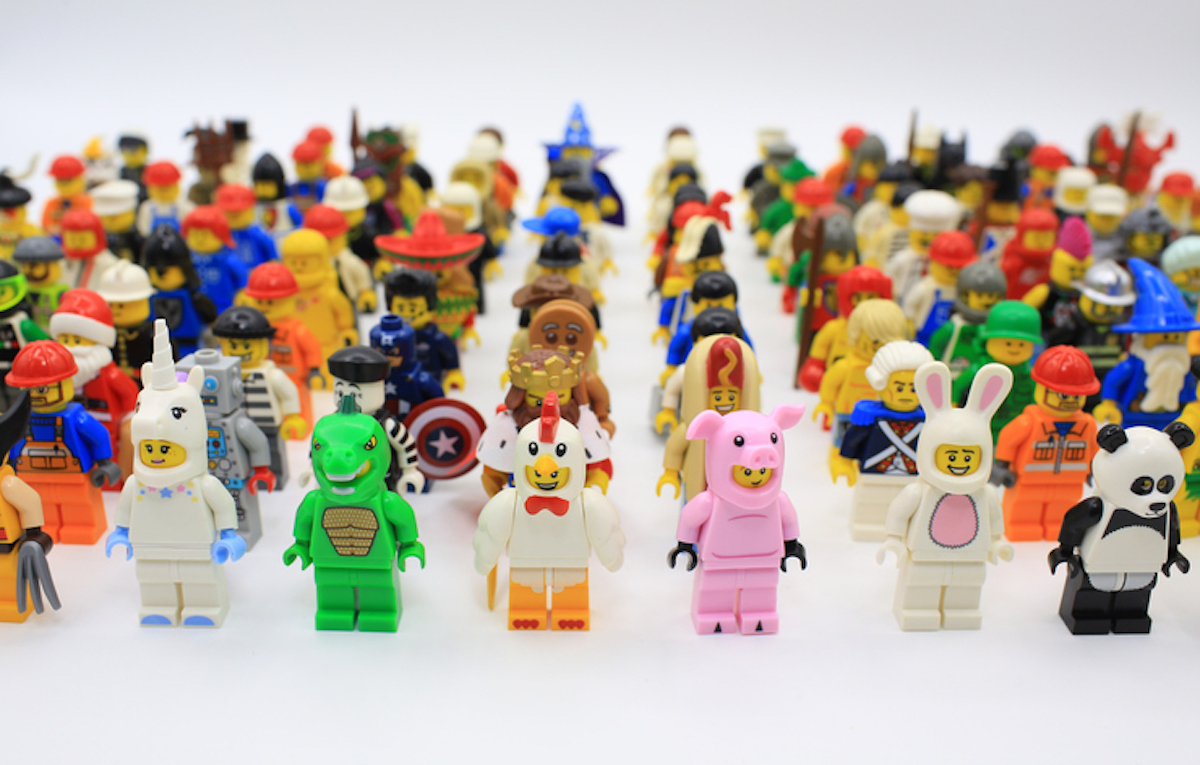
The stuffed animal you “won” at the fair (after spending $60 on tickets to “win” it!)
Even the junk that came with their kids’ meal or birthday loot bag.
Ask any kid which of their toys are special, and they are bound to say all of them.
It’s no surprise, says Elana Kleinman, a professional organizer and mom of three in Toronto, Canada: “Kids place a huge value on their toys because, in essence, they are the only things they own.’”
We all know that toy overload can drive parents crazy. Who among us hasn’t wanted to just go on a pitching spree while the kids were at grandma’s?
With the holidays upon us, many households might be thinking of imposing the “one in, one out rule”. That means it’s time to declutter toys and clear out the outdated and worn out items to make room for the new ones that your young ones will be unwrapping come Christmas.
Purging in Secret
A SpareFoot survey found that parents believe they could get rid of about one-third of their kids’ toys without them noticing. (Although, pity the 8 percent of parents who said they couldn’t get rid of any of them!)
Although the stealth option can sound appealing, in general, it’s probably better to make the decluttering process a joint effort for three reasons:
It’s hard to know what’s really a favorite. Professional organizer Stephanie Jones suggests you keep an eagle eye on what your kids actually play with for two weeks to a month.
“This is an important step because the kids are going to swear they play with the toys you want to get rid of,” Jones says. However, when it comes down to it, you don’t really know the backstory on why some toys merit a special place in your kid’s heart so it’s always best to ask.
You can model altruistic behavior. The purge process presents the perfect opportunity to have a low-key convo about giving to others.
“I talk to my kids about how some children are not as blessed as they are with material goods, age appropriately, of course,” says Kleinman.
You are building an important skill. That ever-growing Star Wars figurine or LEGO collection doesn’t mean your kid will be a hoarder, but knowing how to purge excess items will serve them well when they are adults, says Amy Bell, a professional organizer and owner of ed Chair Home Interiors in Cary, NC.
Now that you’ve resolved to purge your kids’ toy collection with them, where do you begin?
1. Get Ready, Get Set
Empty the entire play space into a staging area and have the kids help you sort into categories, Kleinman advises.
“It takes longer, but it’s a good learning tool for children and allows them to feel in control of the process.”
You also might want to just do a couple of categories at a time, depending on their interest level.
“They’ll be more willing to part with a puzzle when they see a teetering stack of 15 other puzzles remaining,” says Bell.
2. Do the Easy Stuff First
Whatever is broken, missing pieces, or a duplicate can go directly into a donation pile, making the remaining items look more manageable.
3. Ask Questions
Make sure they are part of the process by making them really think about the toys that are left, Jones recommends. You can ask how often they play with something; if they prefer thing one or thing two; or if they have outgrown a toy.
4. Respect Their Decisions
So this is where it can get sticky for moms: “But Aunt Alice gave you that!” “I loved playing with that when I was your age.”
Stop.
“I’ve seen too many parents who second-guess the giveaways,” says Certified Professional Organizer Katherine Trezise of Absolutely Organized, LLC in Atlanta.
If something is a family heirloom you’re planning to store, don’t let them choose.
5. Put Some Toys in Time Out
If your child really can’t decide, or they are attached to items they clearly have outgrown, try putting those toys in a “ripening box” or toy purgatory, suggests Trezise.
“Label the storage container with the date, and then store it out of sight in a decluttering vault. In six months or so, take items to a donation center if the child hasn’t asked for anything in it.”
6. Time it Right
A good time to declutter toys is right after the child’s birthday or Christmas/Hanukkah, when the new toy sets and gifts need to find a home, Bell says.
Jones recommends a more regular purge as part of your decluttering process, making it a seasonal habit so you have four turns at stopping the accumulation monster. That also lets you remember which toy sets weren’t as fun as they looked in the ad, for example, so they don’t hang around all winter.
7. Store Smart
Now that you’ve purged to a manageable level, make sure the toys are stored in an organized fashion using storage solutions like toy bins, cube organizers, or a toy chest to store like with like. Consider using storage bins to group similar toy sets together in your family room or toy corner. Many families swear by the “one in, one out” policy to keep the clutter under control.
Finally, rotating toys using toy bins and zipper bags can help keep them fresh, while open-ended toys and closed-ended toys may need different rotation schedules. Consider setting up experience gifts as rewards for successful decluttering.
For smaller items like LEGO bricks, zipper bags work well, while plastic tubs are perfect for larger toy sets. If you’re working with limited storage space, maximize vertical space with a cube bookcase or cubby shelf on the wall.
8. Do What You Have to Do
Feeling guilty because you’re a tosser? Kleinman’s got your back.
“I do, on occasion, throw toys out secretly. If the kids notice, I usually just tell them that I threw it out because it was damaged. They tend to respond better to that than saying, ‘You never play with it anymore.’”
What To Do With Decluttered Toys
Once you’ve completed the decluttering challenge, you have several options for your donation pile. Host a consignment sale or sell gently-used toy sets at a local consignment sale. Pass items along to mom friends with younger children.
Or donate closed-ended toys and other items to local charities. Using decluttering methods like quiet time boxes can help ease the transition—pack up toy sets in quiet time boxes labeled with dates, creating a toy purgatory system.
Store these quiet time boxes in your decluttering vault, and if kids don’t ask for items after several months, pass them along via a consignment sale.
What Types of Toys To Keep
When deciding what to keep during your declutter toys effort, prioritize quality over quantity. Focus on open-ended toys like wooden blocks or building blocks that encourage imaginative play rather than closed-ended toys that serve only one purpose.
Educational toys, art supplies, and items that support imaginative play tend to have more longevity. Consider whether your family might benefit from experiential gifts instead of more physical toys. And don’t forget to evaluate kids’ books and other non-toy items that may be taking up valuable space.

Cathie Ericson
Cathie Ericson is a freelance writer specializing in business, health and lifestyle topics. Read more of her work at CathieEricsonWriter.com.