Moving is hard enough on its own. Between packing, storage, relocation, and unpacking, you’ve got your work cut out for you from day one. However, the process becomes even more of a hassle if you happen to be moving a collection of valuable, precious, or personally important things.
Hobbyists and serious collectors alike take plenty of care to keep their collections in good shape, and moving with these collections can be risky if you don’t treat them right.
You’ll need to consider things like humidity, temperature, chemical interactions, and whether you’ll be moving the collection yourself or with help from professional movers. In this article, we’ll break down the process for safely moving a collection into steps for you to follow.
- Inventory your collection
- Appraise your collection
- Insure your collection
- Pack your collection
- Transport/ship your collection
Inventory
Before you do anything with your collection, make a list of everything that’s in it. Not only will this help you make sure every piece makes it to your new home, it’ll also make it easier to have your collection appraised so you know how much insurance coverage you need.
Here’s how to properly inventory a collection of anything, from coins or newspapers to figurines:
- Gather your collection and associated items into one place. Having everything in a single location will make it much easier for you to list and organize your items.
- Consider what to clean, repair, sell, or donate. If some of your items need extra care, or you’d like to downsize a little bit, sort them out and take care of them now so you have an accurate picture and list.
- Photograph your collection. Even smartphone cameras are good enough to capture high-quality images, and having visual documentation of your collection will help you ensure nothing’s been broken, lost, or stolen.
- Take pictures from all angles.
- Document any unique characteristics.
- Use the highest resolution camera you can.
- Use natural lighting.
- Choose a background that doesn’t compete with the object.
- Use indirect lighting on reflective objects and cases to prevent glare.
- Photograph larger items in sections.
- Pick the right medium for your inventory. Smaller collections can easily be listed in a notebook or spreadsheet, but you can often find mobile apps specifically built for larger collections (especially comics, wine, books, stamps, coins, and maps) that can automatically sort your lists and pull additional info from a database.
- Save receipts and documents. Store your proofs of purchase, certificates of authenticity, instruction manuals, or other important papers alongside your collection, and scan or take photos of them so you have backups in case they get lost.
- Back up your data. Make multiple paper copies of your inventory list and all associated documents, and make sure you have secure electronic copies of them as well on USB drives or in cloud storage.
- Use accurate fields when making your list. Using the right labels for your columns while you’re making a list, especially on an electronic platform, will make your collection easier to sort. For example, for comic books, you may want to have fields for the month/year published, publishing company, and the condition of each comic book.
Appraisal
Depending on what you collect, there are a few different methods of appraising what you have. Items you collect casually, like trading cards, can be appraised by anyone with a computer and access to a website like TCGPlayer.
However, more formal collections like coins and other delicate objects should be entrusted to a professional appraiser. Whatever you choose, appraising your collection will give you an accurate value and help you when insuring and taking inventory:
- Figure out whether you need an expert appraiser to examine your collection.
- Research an appraiser’s reputation and certifications before you hire one.
- Find an appraiser who specializes in what you collect. You can search for appraisers by specialty on websites including the Appraisers Association of America, the American Society of Appraisers, or the International Society of Appraisers.
- Speak to fellow collectors, dealers, hobby associations, and museum curators for recommendations. The Smithsonian Museum Conservation Institute maintains an extensive list of appraisal resources.
- If you’re appraising your own collection, make sure you are using reliable sources.
- Don’t have your collection appraised by someone who might want to buy it. Private dealers and other buyers might undervalue your collection so they can get a better price off of you.
- Be clear about why you’re getting the appraisal. Insurance appraisals are generally higher than appraisals for tax purposes; resale values are usually more than replacement costs. Discuss your goals with the appraiser so they know exactly why you’re hiring them.
- Discuss the appraisal price and terms in advance. Get a clear estimate and never agree to pay a percentage of your collection’s worth.
- Provide as much information as you can. The more background you give the appraiser, the more accurate your estimate is likely to be. The documents you’ve collected during your inventory will help them give you an accurate amount.
- Make sure the written appraisal report meets industry standards. Most professional appraisers follow the format established by the Uniform Standards of Professional Appraisal Practice.
- Prepare instructions for evaluating and disposing of the collection. If something happens to you, make sure your friends or loved ones know what to do with your collection or where to take it for appraisal or disposal.
Insurance
Now that you have an accurate value for your collection, it’s time to consider insuring it in case something happens to it. There are two ways of doing this; modifying your homeowner’s insurance policy if you have one, or taking out specialized insurance for collectibles. Let’s look at the process for each.
Modifying your homeowner’s insurance policy
- Customize the category limits on your regular homeowner’s insurance. If you have a smaller collection, you may be able to adjust your policy coverage to cover what you own.
- Beware of “limited coverage” exclusions. Some policies have coverage limitations for items including firearms, jewelry, furs, money, artwork and paintings, collectibles, limited editions, and memorabilia.
- Add a supplemental rider to your homeowner’s insurance. An insurance rider is an addendum that usually requires a formal appraisal and incurs an extra cost based on the coverage amount, but is often enough to cover a small to medium collection.
- Take out a separate policy with your homeowner’s insurance company. You may be able to save money on collectibles insurance if you take out a different policy under the same company. This can benefit you if you have a large or rare collection that needs specific coverage.
Taking out specialized collectibles insurance
- Take out a policy with a specialty insurance company. Specialty insurance is tailored to the needs of collectors and sometimes costs less than other types of coverage, often incorporating events as specific as finding out your item is a forgery.
- Some of the better-known companies include American Collectors, which originally insured classic cars but now covers a variety of collectibles. Collectibles Insurance Services started with stamps, but now insures a variety of things, including toys and action figures, comics, firearms, and sports memorabilia. AXA Art Group specializes in artwork of many kinds.
- Make sure your collection qualifies. Some collections don’t have insurance policies available for them, so be sure you find out whether you can actually get your stuff insured. Some of the most common collectibles for which there is insurance include military memorabilia, sports memorabilia, stamps, coins, and vintage toys.
- Choose special features that future-proof your collection. The right plans will cover any loss of value that happens to your items over time.
- Ask about “agreed value” coverage. Speciality policies are generally based on a value that is mutually agreed upon by you and your insurer. If anything happens to your collectibles, you get the full agreed-upon amount.
- Factor inflation into your insurance costs. As a rule of thumb, you should provide for an annual 5% increase in value for your collection.
- Update your insurance regularly. Your collection may change over time, so make sure you check in and keep your coverage amount accurate to what you have.
- Leverage the extent of protection you seek. Many plans are built in standard packages for a particular scope of protection. Discuss with your agent whether you can adjust this to meet the most likely situations you’d encounter (e.g., tsunamis are not particularly in North Dakota, so protection from that sort of natural disaster isn’t needed).
Packing
You’ve made a list, had your items appraised, and maybe even taken out an insurance policy. Now it’s time for the most hands-on part; packing your collection safely and with enough care will make sure it arrives at your new home in perfect condition.
- Clean your collection if you can. Research how to clean specific types of collectibles for the best results.
- Use a vacuum hose and a soft brush to remove dust without touching your items.
- Lightly coat metal parts with a thin layer of oil to prevent rust.
- Never use chemicals or solvents when cleaning a model; the residue can damage paint finishes.
- Disassemble larger items if you can. Taking larger models and electronics apart will make them easier to pack and keep individual parts protected.
- Label all boxes clearly, both for contents and conditions. Label the contents and whether or not the box is fragile, or use a numerical code. Always note which box each object is in within your inventory as you pack.
- Do not indicate that there is a high monetary value inside. Label your boxes as “fragile” if the items in them are delicate, but keeping a low profile will help protect your collection from theft.
- Secure your items in their shipping container. If you still have the original box for your items, use that to store them. Otherwise, use space-filling packing materials to make sure that your items are firmly placed inside of whatever container you pack them inside.
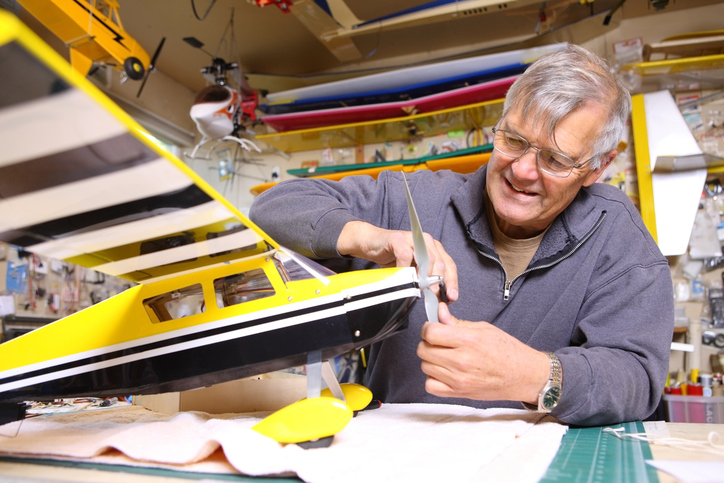
- If you have models, wrap each one individually. Use a layer of acid-free tissue paper to protect delicate parts of the model, then wrap that in a layer of unbleached muslin to create a padded bundle. Place these bundles in boxes with extra packing material for maximum protection.
- Protect your items from moisture. Put your items in airtight containers if you can, or put silica gel packets in boxes to absorb any moisture that may get in.
- Use acid-free packing material. Delicate items can be damaged if you pack them with newspaper or foam, as these materials break down over time and can release damaging chemicals.
- Insulate with styrofoam shippers if you need them. Double-walled insulation works really well within a given box size for shipping items of nearly uniform size while also retaining box structural integrity and size.
Transport and Shipping
When your moving day finally comes around, you’ll want to be sure your collection is being transported as safely as possible.
Plenty of factors will determine whether you want to transport and store your collection yourself, or hire professional movers or shippers to handle it.
Remember, your collection is worth the investment, so don’t skimp on storage or shipping!
- Review your insurance plan to identify what’s covered during a move. If your current policy doesn’t cover all the bases you need, go back to the insurance step and find one that will cover any potential losses.
- Get climate control if you need it. Collections can take a lot of damage from heat, cold, and humidity, so consider climate control when looking into shipping options. If you’re going to put your collection in storage while you move, find a climate-controlled unit so the weather doesn’t ruin your things.
- Consider moving the goods yourself. If it’s a short drive or a small collection, you might be able to pack your things into your personal car so you can keep an eye on them and take personal care when moving them.
- Use a (rental) van or truck rather than your car for larger and/or more valuable collections. Overloading your car will only make things more expensive. Rental van/truck groups offer many packing and securing options to help make sure your protected items stay put in the vehicle, and these are well worth some additional charges.
- Be sure to check if your rental has any insurance coverage and what the limitations are. You might need to opt in or disclose what you’re packing in order to become eligible.
- Don’t fly with your collection. Carry-on and checked bags alike can be jostled, thrown, or otherwise mishandled, so consider mailing your items with a shipping company if you’re moving a long distance.
- Consider using a carrier like UPS or FedEx. Ask any carrier you consider about their special handling services, and look into any special services offered for specific expensive items.
- Consider an armored carrier (e.g. Brinks or Loomis) for high-ticket items. If you opt for an armored carrier service, have them deliver to a safe deposit box so it’s less obvious who might be picking the items up.
- Consider registered mail for really valuable items. Registered mail is insured up to $25,000, but if you need extra coverage, you can send it in multiple shipments. This method keeps your items under lock and key and will only let you access them if you sign for them.
- Check shipping rules with the appropriate authorities if you have a wine collection. Local alcohol commissions are the best resources in the case of wine. Check with authorities on both sides of state lines, and check with whatever shipping or transport company you’re using to see whether they allow wine to be transported.
What next?
If you’re moving with a collection, now you know how to properly inventory, appraise, insure, pack, and transport your valuable items so they don’t get damaged or lost. From here, research moving companies, insurers, appraisers, and storage options so you can budget for your move.
If you’re looking for a safe, secure place to store your collection for any length of time, take a look at our search tool to find and compare storage facilities near you!
For more information
- Collections Care: Ten Agents of Deterioration (American Institute for Conservation Wiki)
- Video: Making a Protective Book Box (Family Tree Magazine)
- Website: Saving Your Treasures (Nebraska PBS and Nebraska State Historical Society)
- General Collections Handling Guidelines (South Australian Community History)
- Video: How to Fold & Roll Textiles for Storage (Nebraska PBS and Nebraska State Historical Society)
- Video: The Care and Handling of Books (Yale University Library)
- 12 Tips for Preventing Damage to Works of Art (New Bedford Whaling Museum)
- Guides for Taking Care of Your Personal Heritage (American Institute for Conservation)
- Video: How to Move Heavy Objects (Kevin Caron, artist)
- Marking and Labeling Collections (Senior Conservator at Smithsonian Institution Archives)

SpareFoot
SpareFoot is the largest marketplace for storage, making it simpler to move and store your stuff. Our website lets you compare the most storage options nationwide and pick the best solution for your needs, whether it's traditional self-storage or full-service storage.