San Antonio At-A-Glance
With year-round blue skies, a rich cultural history, and a welcoming vibe lauded by Travel and Leisure, it’s understandable that most people think of San Antonio chiefly as a tourist destination. UNESCO’s designation of five frontier missions—including the Alamo—as a “World Heritage Site” only adds to that perception.
In contrast with similar large-scale metropolitan areas, San Antonio has a lower cost of living, a thriving job market, and a competitive housing market ideal for first-time homebuyers and retirees. Plus, from downtown digs and older homes in Monte Vista and Alamo Heights to popular suburban communities like Stone Oak and Terrel Hills, there’s an array of neighborhoods available for young professionals, families, and empty nesters alike.
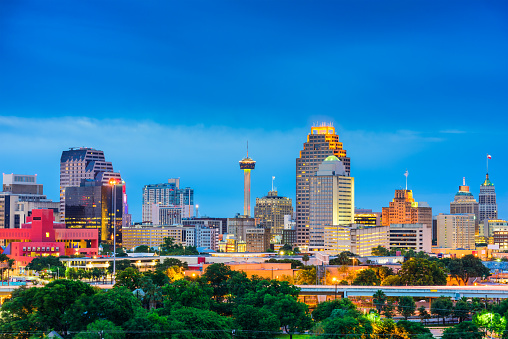
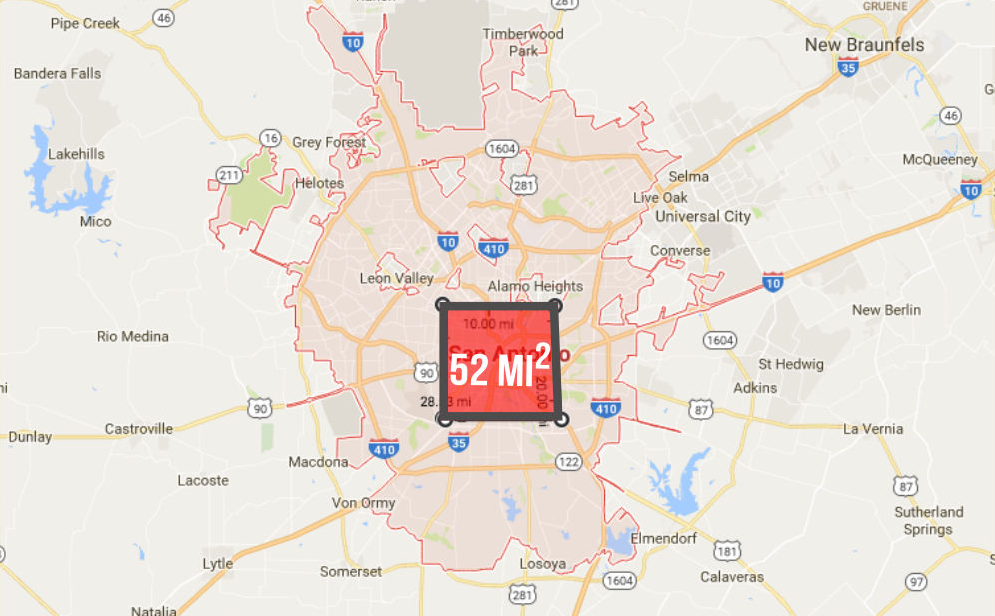
Officially the city covers 505 square miles. The downtown is nested at the core of two concentric loops, 410 and 1604. According to city leaders, the 5-year forecast for the downtown area includes nearly 60 projects worth over $3 billion in construction.
America’s 7th Largest City is More Than the Alamo
According to the U.S. Census data collected between 2020 and 2021, more people moved to San Antonio than anywhere else in the country. More than 13,000 people relocated to the Texas city, which was the most for cities with populations of 50,000 or more.
Locals know that America’s seventh largest city has more than the legendary Alamo to recommend it. For starters, diversity is woven into the city and reflected in food, language, art, and architecture. There’s variety in social experiences, too.
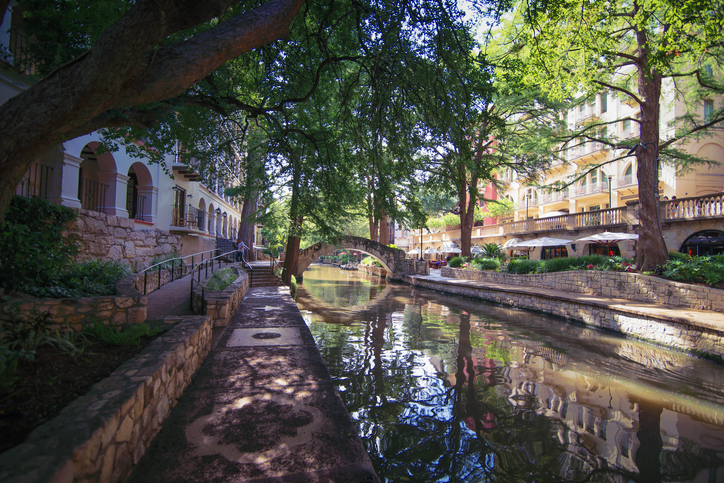
Wherever you settle in San Antonio, you’ll be within an hour of hiking the hill country, sampling a glass from area wineries, enjoying the goings-on at the historic Pearl Brewery, catching a Spurs game or live music performance at the Alamodome, savoring enchiladas on the River Walk, or watching a colorful April Fiesta parade.
For the young at heart, there are several area amusement parks, including SeaWorld and Six Flags Fiesta Texas as well as the world’s first-ever completely ultra-accessible™ park, Morgan’s Wonderland. Up for a road trip? You can reach the beach in less than a couple of hours.
San Antonio: A Diverse, Progressive and Global Competitive City
The world may know San Antonio as “The Alamo City,” but boosters frequently refer to it as “Military City USA.” Given that there’s been a military presence in the area for 300 years (including the current U.S. Department of Defense’s largest medical center), it’s no surprise to find a sizable community of locals employed at Lackland Air Force Base, Fort Sam Houston, and Randolph Air Force Base. The aerospace industry remains a dominant strength in San Antonio with the presence of several aviation and aerospace corporations, including the military.
Non-military industries thrive here, as well, especially: hospitality and entertainment; manufacturing; biotechnology and biomedicine; energy (including businesses related to the Eagle Ford Shale); and information technology. Cybersecurity is a growing economic sector with The University of Texas at San Antonio’s cyber security program landing at the top of several national “best of” lists. And the city is positioning itself to be at the forefront of the new energy economy, committing to investing in employment opportunities in green industries. Major corporations include USAA, Valero Energy, iHeartMedia, Rackspace Technology, and HEB.
Unemployment rate: 3.2% (as of December 2022)
Average weekly wages for all industries: $995 (as of May 2021)
You’ll Find Affordable Living in San Antonio
Good news for those interested in moving to San Antonio: housing costs are relatively reasonable for a city this size. And not just because there’s no state income tax in Texas! San Antonio has a cost of living that ranges from 12-14 percent lower than the national average, which means it’s more affordable than living in Austin, Houston or Dallas. Plus, with a lower cost of living compared with the national average, you can expect everything from groceries, entertainment and restaurants to cost less when living in San Antonio.
Renters can expect to pay a little more than $1,000 for a one-bedroom apartment. The average home price in San Antonio is roughly $300,000. According to the San Antonio Business Journal, “the movement of higher income earners to San Antonio and low mortgage rates had a lot to do with why housing demand was so intense over the past couple of years.” The “fervent buying activity” meant prices skyrocketed, leading to a 39 percent average increase in median home prices across the city.