Tucson At-A-Glance
A large number of people think so! Between 2012 and 2022, more than 129,000 people moved to Tucson, which represents a population growth of nearly 5 percent in the last decade! New residents are attracted to Tucson’s year-round sunshine, charming neighborhoods, youthful energy, and outdoor adventures.
Tucson offers many of the same perks as its big brother Phoenix: lots of sun, warm winters, and affordable living. But Tucson one-ups Phoenix in a number of ways: it’s more historical, has more of a small-town feel, offers better access to nature, and is cheaper. Thanks to the University of Arizona, Tucson has a youthful edge, with all the hip bars, restaurants, and shopping you’d expect of a college town. Tucson is also a cultural melting pot, with American Indian, Mexican, and Anglo influences infusing its culture.
Big City Amenities Along With a Quiet Lifestyle
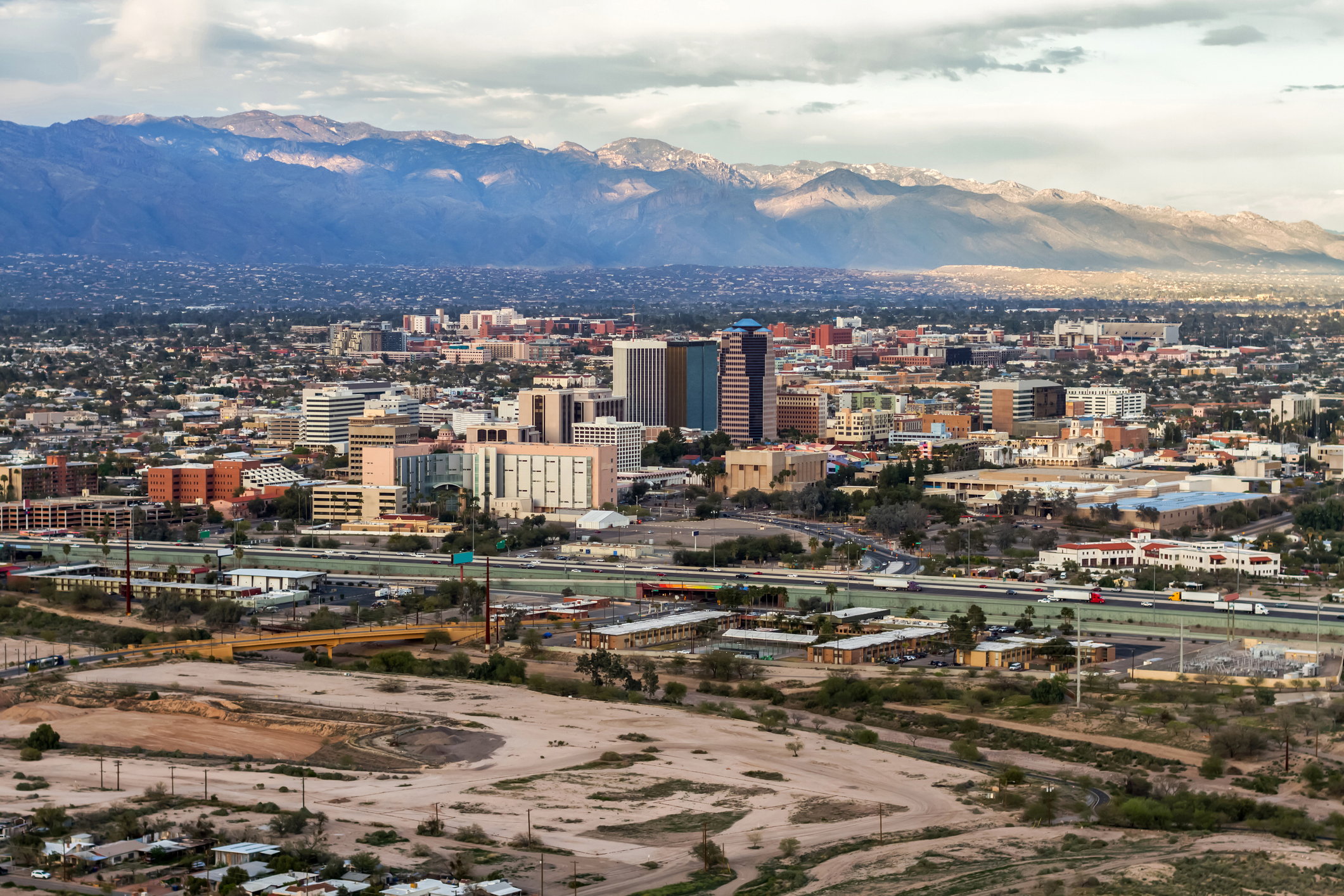
Tucson is Arizona’s second largest city, even with a slower growth rate than Phoenix. The upside of living in Tucson is you’ll get the amenities of a big city with a much quieter lifestyle.
The city is home to 549,382 Tucsonans. With an area of 238 square miles, Tucson has a population density of 2,308 persons per square mile, which makes it less dense than many other cities of comparable size.
Much of the area’s action revolves around the University of Arizona, which is the city’s second largest employer, as well as tourism. According to the Arizona Office of Tourism, the Tucson region led a rebound in the hospitality industry in 2021, posting a 77 percent year-over-year increase from $1.3 billion to $2.4 billion in overall direct travel spending.
Tucson is a safe city which is why there are a large number of winter residents (snowbirds) who make their way down from harsh winters to enjoy the mild weather in the area. You can’t go wrong with incredible weather, sunny skies and zero of the white stuff.
Tucson: One of the Nation’s Most Innovative Business Centers
The region in Arizona is becoming one of the nation’s most innovative business centers, in part because of the Sun Corridor, a transformative economic development organization connecting the area between Tucson and Phoenix. According to their website, “The organization has helped to drive significant business investment into the Tucson and Southern Arizona region through primary job creation (over 54,000 jobs), resulting in an economic impact of $32 billion.”
Aside from the University of Arizona, the aerospace and defense sector is another significant contributor to the economy in Tucson. Research and development, transportation, warehousing, renewable energy, high-technology and mining are also major industry players when it comes to Tucson’s economy.
Unemployment rate: 3.2% (as of January 2023)
Average weekly wages for all industries: $1,019 (as of May 2021)
Tucson’s Greatest Strength? Relatively Affordable Housing
One of Tucson’s greatest strengths is its relatively affordable housing market. The median home value in Tucson is $308,650, which is 20 percent below the U.S. median value, according to Redfin. The median price per square foot in Tucson is $201, up 1.3 percent since last year. Over the past 5 years, Tucson has become one of the hottest housing markets with year-over-year increases in home prices. “With a near-perfect climate, plenty of industry, and countless outdoor activities, Tucson is a great alternative to living, working, and investing in a big city,” reports Roofstock.
Tucson is a relatively affordable place to live with a decent cost of living. On average, the cost of living in Tucson is cheaper than 86 percent of all cities in the U.S. Renters in Tucson will also have an easy time finding affordable housing. The median rent in Tucson is $1,262 per month, which is 26 percent lower than the national average. Over the past year, rental rates in Tucson have increased by 4.0 percent.