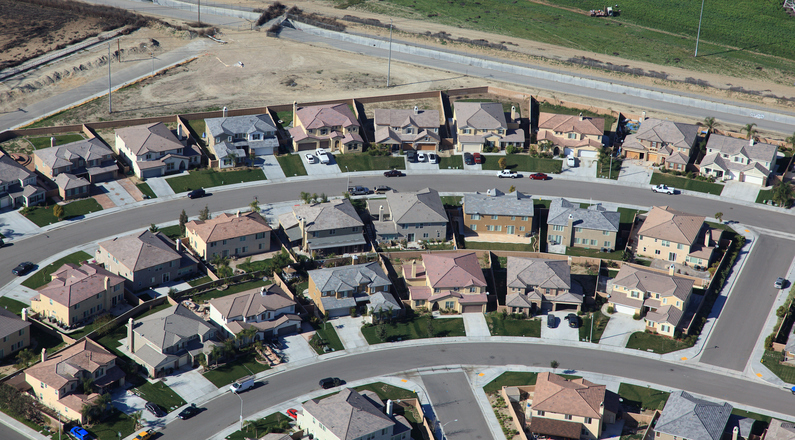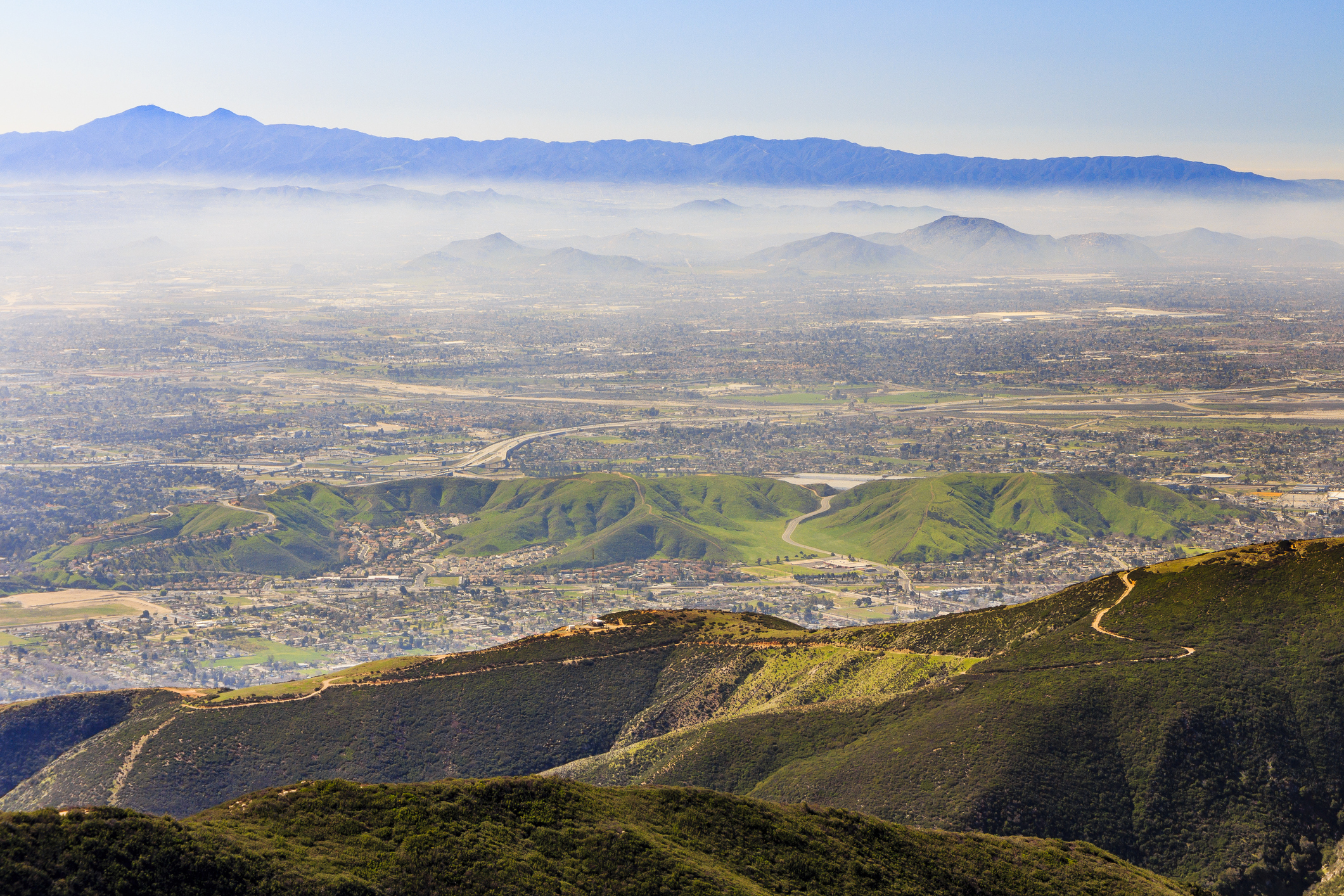
Thinking about moving to Riverside?
You’ll be in good company. Between 2010 and 2016, more than 20,851 people have moved to Riverside, an increase of 6.9%. Riverside draws people in with its affordability relative to the rest of southern California, its growing economy, its temperate weather, its scenic hills and valleys, and its enviable location between the beach and the mountains. Just an hour outside of downtown Los Angeles, Riverside is far enough away from LA to provide an escape from the big city, but close enough to commute and enjoy LA’s amenities.
Living
Riverside is home to 324,722 Riversiders. With an area of 81.1 square miles, Riverside has a population density of 4,004 persons per square mile, which makes it less dense than many other cities of comparable size.
The Riverside-San Bernardino-Ontario, CA Metropolitan Statistical Area boasts a population of 4,527,837 people, of which Riverside proper’s population makes up 7%.
Housing
While real estate in Riverside is generally much cheaper than in nearby Los Angeles, it’s still expensive relative to most of the country. The median home value in Riverside is $354,300, 77% above the US median value, according to Zillow. The median price per square foot in Riverside is $240. Over the past 5 years, home values in Riverside have increased by 12%.
Renters in Riverside will also have a hard time finding affordable housing. The median rent in Riverside is $1,823 per month, which is 27% higher than the US median. Over the past year, rental rates in Riverside have increased by 4.5%.
Economy
Riverside’s economy is on fire. The Riverside metro area’s GDP grew by 25% between 2011 and 2016, from $119.3 billion in 2011 to $149.0 billion in 2016, a total increase of $29.7 billion. The metro area has a per capita GDP of $32,921. According to the US Census Bureau, the median household income in Riverside is $55,092, 7% lower than the national median. Riverside’s unemployment rate is 5.5%.