
KEY TAKEAWAYS
▸ Store luxury cars in indoor, climate-controlled facilities that maintain temperatures between 50-80°F and humidity around 55% to prevent rust, mildew, and deterioration.
▸ Even during storage, follow manufacturer-recommended maintenance schedules annually, start the car every 2-3 months, and maintain proper tire pressure or use lifts or tire cradles to prevent tire wear.
▸ Protect stored vehicles with clean car covers, pest-proof the space with rodent traps, and choose facilities with security features like gated access and 24/7 surveillance.
Classic car enthusiasts understand that not all cars are created equal. Keeping collector cars or luxury vehicles in pristine condition takes greater effort and commitment than maintaining your daily driver.
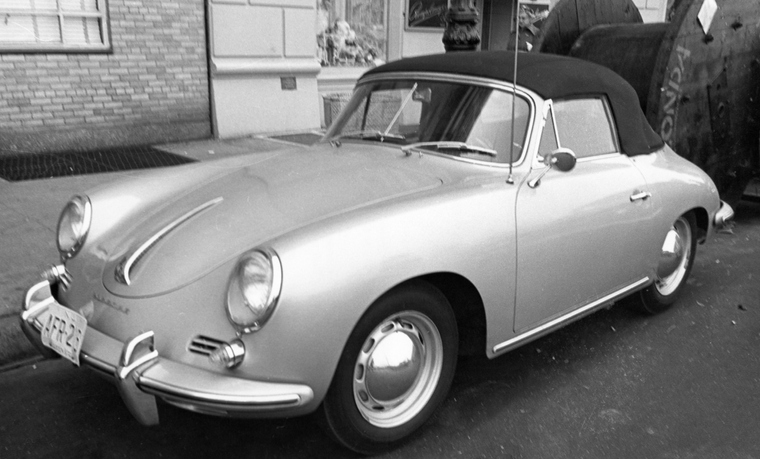
As a luxury car owner and Porsche mechanic for over 25 years, I have witnessed the deterioration of more than a few prized vehicles at the hands of owners who were unaware of how to store their collectible classics properly.
It is a shame to watch classic cars decline from either neglectful storage practices or an inadequate car storage environment, especially knowing that with a little TLC, luxury vehicles can last for generations.
This helpful guide will explain the basics of proper luxury car storage techniques, helping you create a resilient line of defense against damage.
We’ll also discuss what features your exotic car storage space should have, and how SpareFoot can help you score an ideal collector car storage environment that gives you the first month free.
Let’s start with some key luxury vehicle storage tips.
1. Choose an Ideal Luxury Vehicle Storage Space
Luxury vehicle storage starts with selecting premium storage spaces. Put some thought into where you aim to store your vehicle. The proper location can protect your car from the unforgiving elements.
Not all types of car storage facilities are created equal. They can be indoor/outdoor, covered/uncovered, and car storage comes in a variety of sizes. Car storage facilities also differ in whether or not they’re climate-controlled.
The ideal type of storage facility to store a high-end luxury car is in an indoor climate-controlled environment, not just an outdoor garage or shed.
You want the garage to be at a mild temperature with little to no humidity, and that’s what climate control guarantees.
Climate-controlled storage or “Temperature Controlled Storage” maintains an indoor temperature range between 50°F and 80°F within your storage unit.
But climate control is more than just year-round heat or A/C. It also includes humidity monitoring and control technologies that keep humidity levels around 55% all year.
A humid environment will cause parts of the car to rust and the upholstery to mildew. Climate control can prevent mold and mildew from growing, thanks to air filtration systems that are perfect for vintage car storage.
2. Service Before Storage and Conduct Routine Vehicle Management
If you are storing your vehicle for a long period of time, then I would recommend getting it fully serviced and fixing minor repairs. This step is a lot like winterizing your car for the off-season.
- Change the oil and filter, flush the brake fluid, and top off all remaining fluids.
- It is important to have fresh oil in the crankcase, free of solvents and moisture.
- Add a fuel stabilizer and fill up the tank. A fuel stabilizer will increase the lifespan of your fuel by preventing it from oxidizing. Without a fuel stabilizer, your fuel will only last a few months before it starts to varnish.
- It is also important to note that the effects of oxidized fuel are more detrimental to older cars since older fuel tanks are made of metal as opposed to plastic tanks on newer models.
You may think that once the car is serviced and put securely in an auto vault for storage, your maintenance is done until you put a few thousand more miles on it, but that isn’t the case.
There’s a reason why your service manual says you need to conduct fluid changes either by mileage or by time frame. Even stagnant fluids will start to degrade.
We suggest following a few of the manufacturer-recommended vehicle maintenance schedules and taking your luxury car in for all its annual services, even if the mileage hasn’t increased.
Or if you know how to wrench on your own classic car, then we suggest keeping a toolbox and shelf full of fluids in your car storage space and turning it into a DIY maintenance bay!
3. Invest in a Cover
Car covers aren’t only for cars being stored outside in the elements. Every auto enthusiast should own a classic or sports car cover, even if your car is indoors in a top-of-the-line, following deluxe car storage garage.
Make sure the car cover is clean of dust and dirt. Small dirt particles are like sandpaper on the exterior of your car, so covering your car with a dirty cover will only cause more damage.
4. Clean Your Car
Get your car washed before storing it for a long period of time. Make sure the paint is clean as well as the interior of the vehicle.
Periodically remove the cover and inspect and or clean it of any moisture or dust that may have collected. Either washing or simply tumbling the cover in a clothes dryer for a few minutes will often suffice.
Wipe the vehicle down with a microfiber cloth and a detail spray product to remove surface dust before covering again.
And after all this hard cleaning and prep work, be sure you’re keeping your car in a dust-free environment.
5. Start Your Car and Let It Run
Start and run your vehicle and bring it up to operating temperature once every two or three months.
This will burn off contaminants, remove moisture from the exhaust system, and charge the battery. And don’t forget to run the AC to lubricate internal seals.
You also want to inspect your battery and conduct routine battery maintenance and charging every three months at the latest.
- Use a battery maintainer or charger to maintain optimal charge levels, and
- Inspect the battery periodically for any signs of deterioration or damage.
6. Inflate your Tires; Lift Wheels Off the Ground
When your car is in storage for an extended period of time, your tires will gradually lose air pressure. Make sure you inflate your tires to the proper air pressure.
Maintaining spec tire pressure is good for any car. And if at all possible, lifting the car onto a ramp so the tires aren’t touching the ground helps to keep classic automobiles, sports cars, and luxury vehicles pristine.
If you are unable to lift the car, another option would be to purchase a set of tire cradles. A tire cradle helps prevent flat spots from developing.
7. Watch Out for Rodents
Rodent activity is an issue for a lot of drivers storing their vehicles. Critters like to make nests in places like air filter housings and A/C inlet boxes, and will chew on any wiring they find.
I would recommend pest-proofing your storage unit. Start by setting up a few rodent traps around your sports and classic cars while they’re in storage. Keeping your vehicle and storage space clean can also prevent a rodent infestation.
Luxury Car Storage: How to Store Luxury Cars Using SpareFoot
Now you understand how to store a luxury car.
Let’s take a look at how to choose a premium facility for luxury vehicle storage that will help keep it safe. Then, we’ll talk about how SpareFoot can help you get everything you need from the automotive storage industry.
For starters, we suggest storing your car indoors in a climate-controlled storage space. We already mentioned the threats humidity, stagnant air, and extreme temperature fluctuations pose to a collectible car.
We also touched on how to store a car long-term by conducting routine maintenance. You’ll need a car storage space size that’s large enough to keep a toolbox and a shelf full of fluids, and that allows you to circle the car and perform some light service.
What we haven’t touched on yet is the importance of safety features and security measures. You obviously need a secure storage solution for your valuable luxury car.
Car storage facilities prioritize safety and protection, offering security measures such as gated parking and gate-controlled access. Entering these activities requires advanced access control methods such as key cards, fobs, or personalized gate codes.
Secure car storage facilities will employ 24/7 Video Surveillance, on-site security personnel, and sometimes even offer off-site video monitoring systems.
But how do you find a luxury car storage facility that has exactly what you need but isn’t on the opposite side of town?
That’s where we come in.
Our handy car storage search feature can help you find a car storage facility of the ideal size.
More than a few of the luxury car storage facilities in our listings offer the first month free, so you may even dodge paying anything at all.
Just enter your zip code into SpareFoot’s site to find the best deal on a dedicated vehicle storage space near you. SpareFoot gives you access to the largest marketplace for storage facilities of all types, and our storage search tool makes finding storage units ideal for luxury vehicle storage as easy as entering your zip code, filtering the options, and scrolling the results until you find exactly what you need.
Wealthy collectors typically store their cars in private, climate-controlled garages, dedicated car condos, or premium storage facilities that offer concierge services, security systems, and luxury amenities. Some maintain multiple garages across different properties or estates.
It’s legal to store vehicles in storage units; in fact, some storage facilities specialize in providing storage for vehicles of all types. Regulations vary by location and facility. Some prohibit vehicle storage or require special units for car storage.
Car storage typically costs $50-$500 per month, depending on whether the storage is indoor or outdoor, covered or uncovered, and whether it is shared or private. Other factors include location, security features, size, and amenities.

Michael Ta’Nous
Michael Ta’Nous is a full-time writer who works and lives with his wife in Taos, New Mexico. “Mikey” spent his early twenties living either out of a van as a touring musician or out of a backpack on motorcycle trips writing from cafes–these rigorous adventure years polished him into a master packer. In addition to managing storage units full of catering supplies and outdoor gear professionally, Michael has used storage units as a band rehearsal space and a motorcycle garage.


