January 8, 2024

Moving to Tulsa, OK

everything you need to rock your move to tulsa

A robust economy, affordable living, and a small town feel make Tulsa a draw

4 min read

Alex Downey

In her role as a Sr. SEO Analyst and content strategist, Alex has worked with various self storage brands to develop and execute effective digital marketing strategies. With a deep understanding of consumer behavior and industry trends, Alex has contributed to numerous publications and websites, providing valuable insights and practical advice on self storage, organization, packing, and moving.

We are a participant in affiliate advertising programs designed to provide a means for us to earn fees by linking to affiliated sites.

Thinking about moving to Tulsa?

You’ll be in good company. Between 2010 and 2016, more than 11,184 people have moved to Tulsa, an increase of 2.9%. New residents are attracted to Tulsa’s strong economic prospects, affordable housing, and low cost of living.

No posts found for category ID 551 and tag inline

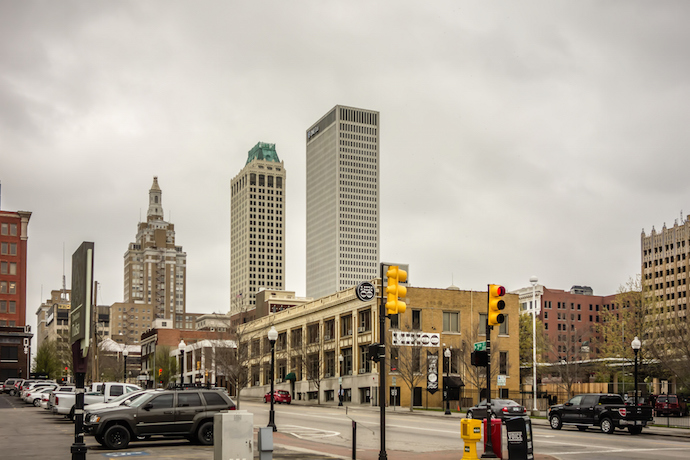
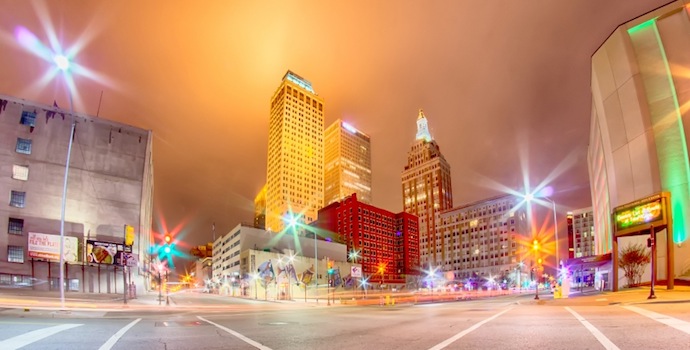
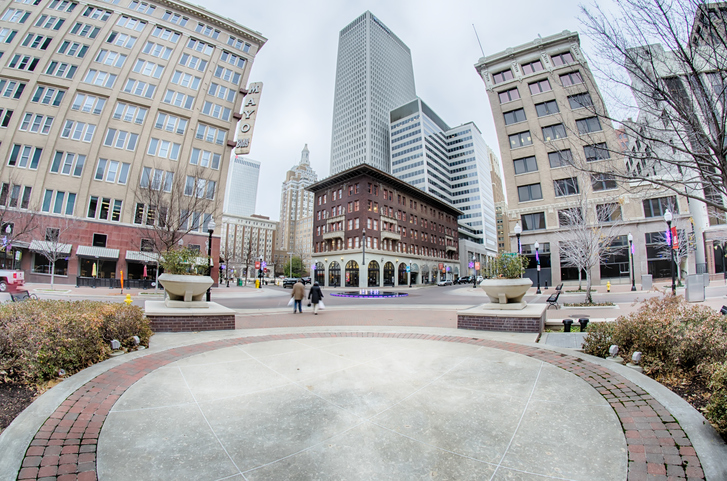
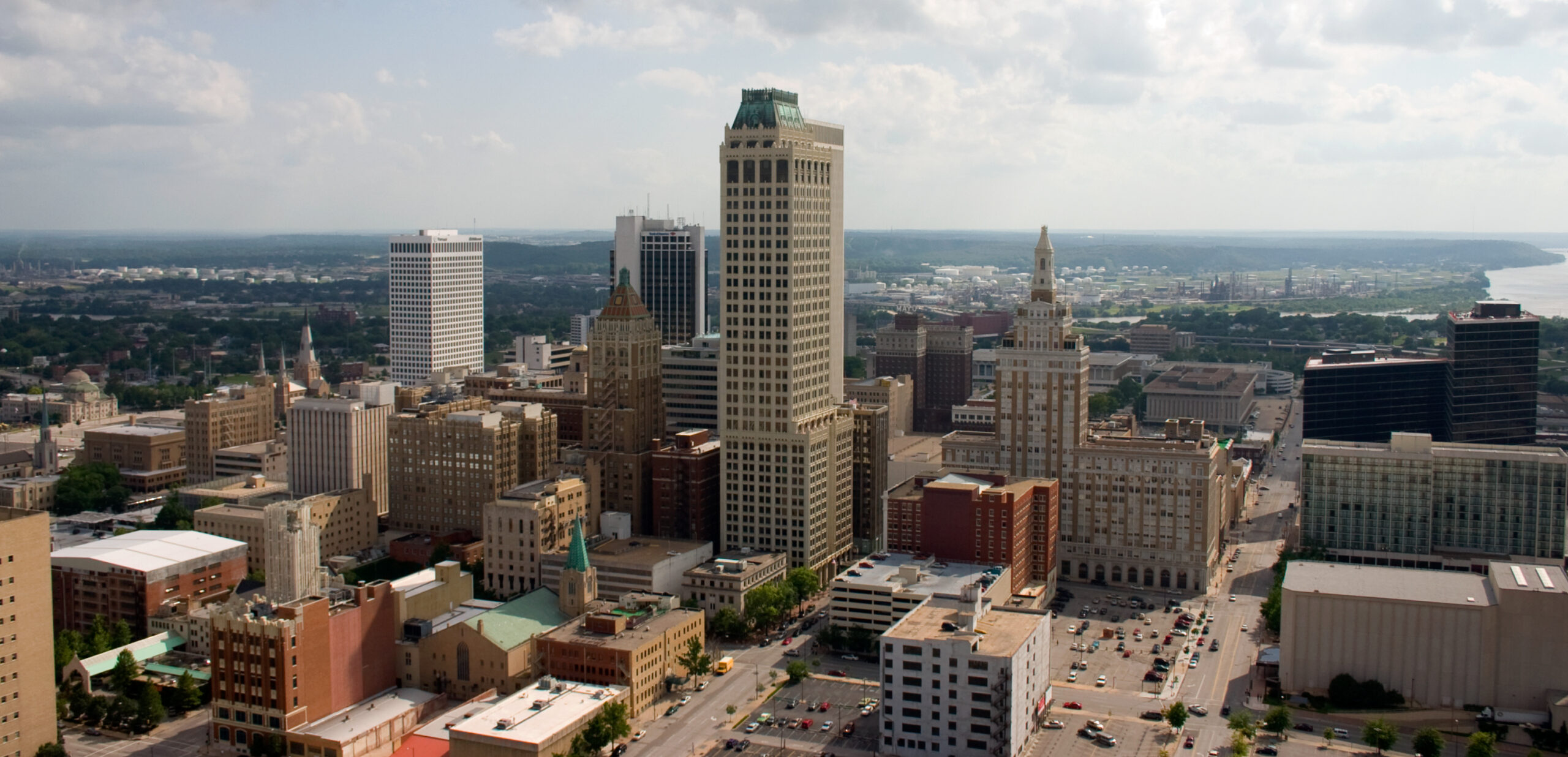
Despite what those unfamiliar with Tulsa might think, it isn’t some boring Midwestern backwater. Tulsa boats world-renowned museums, a professional opera and ballet, and 15 institutions of higher education. Tulsa’s downtown is famous for its Art Deco architecture thanks to a building boom in the early 20th century. There’s also a vibrant youth counterculture in Tulsa, mixing easily with more conservative Oklahoma cowboys.

Tulsa Population

Tulsa is home to 403,090 Tulsans. With an area of 196.8 square miles, Tulsa has a population density of 2,048 persons per square mile, which makes it less dense than many other cities of comparable size.

The Tulsa, OK Metropolitan Statistical Area boasts a population of 987,201 people, of which Tulsa proper’s population makes up 41%.

Housing Market in Tulsa

Affordable housing is one of best things Tulsa has going for it. The median home value in Tulsa is $108,400, -46% below the US median value, according to Zillow. The median price per square foot in Tulsa is $74. Over the past 5 years, home values in Tulsa have increased by 3%.

Renters in Tulsa will also have an easy time finding affordable housing. The median rent in Tulsa is $958 per month, which is 33% lower than the US median. Over the past year, rental rates in Tulsa have decreased by 3.1%.

Economy in Tulsa

Tulsa’s economy is growing strong. The Tulsa metro area’s GDP grew by 18% between 2010 and 2015, from $46 billion in 2010 to $55 billion in 2015, a total increase of $9 billion. The metro area has a per capita GDP of $55,312. According to the US Census Bureau, the median household income in Tulsa, OK is $50,023, 3% higher than the national median. Tulsa’s unemployment rate is 5%.

Weather in Tulsa

If hot weather isn’t your thing, you might want to think twice before moving to Tulsa. Tulsa winters are cold, with an average temperature of 44 degrees. Summers in Tulsa are hot, with an average temperature of 80 degrees. The average temperature in Spring is 69 degrees and the average temperature in Fall is 51 degrees.

Don’t worry too much about packing your umbrella. Tulsa only sees 84 rainy days per year on average and has an average annual rainfall of 36.5 inches. Tulsa is relatively dry, with an average annual relative humidity of 65. And don’t foget to bring your sunglasses and tanning lotion! Tulsa gets an average of 3,089 sunny hours per year and 139 sunny days, more than much of the rest of the country.

Crime Rate in Tulsa

Tulsa does have some problems with violent crime, with a violent crime rate of 904 incidents per 100,000 persons according to the FBI, a higher rate than average. Property crime rates in Tulsa are relatively high, with a rate of 5,203 incidents per 100,000 persons, a higher rate than average.

Traffic in Tulsa

Traffic is not as big of a problem in Tulsa as it is in many other US cities. According to a survey conducted by INRIX, the average commuter in Tulsa spends 9.7 hours in traffic each year, with about 3% of their time commuting in a traffic jam, a lower portion than average among US cities.

Cost of Living in Tulsa

Tulsa is a relatively affordable place to live with a low cost of living. According to the Bureau of Economic Analysis‘s Regional Price Parity survey, which takes into account cost of living metrics including the price of goods and services and housing, Tulsa has a regional price parity of 99.2, -9.4% below the average for US metro areas.

Education in Tulsa

Tulsa’s workforce is not as educated as comparable cities. Only 17% is in possession of a Bachelor’s degree, and 13% of the population did not complete High School. Only 7% of the population has a Graduate or Professional degree.

Demographics of Tulsa

The median age in Tulsa is 36.7 years. 49.1% of the population in the Tulsa metro area is male, while 50.9% is female. 5.8% of the metro population is foreign born. In terms of racial demographics, Tulsa is 73% white, 8% African American, and 7% Asian.

Plan Your Move to Tulsa With SpareFoot

Planning a move to Tulsa? SpareFoot can help. Use SpareFoot to find special deals and discounts on Tulsa Moving Truck Rentals. If you need a storage unit as part of your move, SpareFoot makes it easy to find storage units in Tulsa too.

Moving to Tulsa, OK?

Try these storage and moving services to make your move easier.