

KEY TAKEAWAYS
▸ Overconsumption affects millions of Americans, with the average household carrying over $105,000 in debt.
▸ Physical, emotional, financial, and social signs can help identify overconsumption patterns.
▸ A four-phase recovery approach provides structured steps to stop overspending permanently.
▸ Temporary storage solutions can ease the overwhelming process of decluttering excess purchases.
▸ Creating systems and alternative activities prevents falling back into old spending habits.
Your credit card statement arrives, and there it is again, that sinking feeling as you scan line after line of purchases you can barely remember making. The $47 “must-have” throw pillow. The $89 skincare set that promised to change your life. The $156 jacket that’s still hanging in your closet with tags on.
You’re not alone in this cycle. The average American household now carries $105,056 in debt, and 54% of us have dropped $100 or more on a single impulse purchase, with 1 in 5 people spending over $1,000 on something they never planned to buy.
But here’s the thing that no one talks about: this isn’t just about money. It’s about the mental weight of walking into a room and feeling overwhelmed by stuff. It’s about the anxiety of not being able to find what you need because it’s buried under what you didn’t. And it’s about that nagging voice in your head asking, “How did I get here?”
If you’ve ever felt that familiar knot in your stomach while looking at your credit card statement, wondering where all that money went, you’re definitely not alone. Maybe you’ve caught yourself buying the same type of item multiple times because you forgot you already owned it, or perhaps you’ve felt overwhelmed walking into certain rooms of your home because there’s just so much stuff everywhere. Plus, the average American home contains 300,000 different items, yet we continue adding to the pile.
Why has overconsumption become so normalized? The answer lies in a perfect storm of social media influence, clever marketing, and our own emotional triggers. But here’s what research shows and what countless people who’ve overcome overconsumption have learned: breaking free from this pattern isn’t about living like a monk or throwing away everything you’ve ever bought. It’s about getting intentional with your choices, understanding what triggers those impulse purchases, and yes, sometimes using smart storage solutions to give yourself breathing room while you figure it all out.
Ready to break free from the buy-regret-repeat cycle? Let’s dive into how you can reclaim control over both your space and your spending, one conscious decision at a time.
Am I an Overspender? Recognizing the Signs
Before diving into recovery strategies, let’s honestly assess where you stand. Overconsumption manifests in various ways, and recognizing these patterns is your first step toward change.
Physical Signs in Your Space
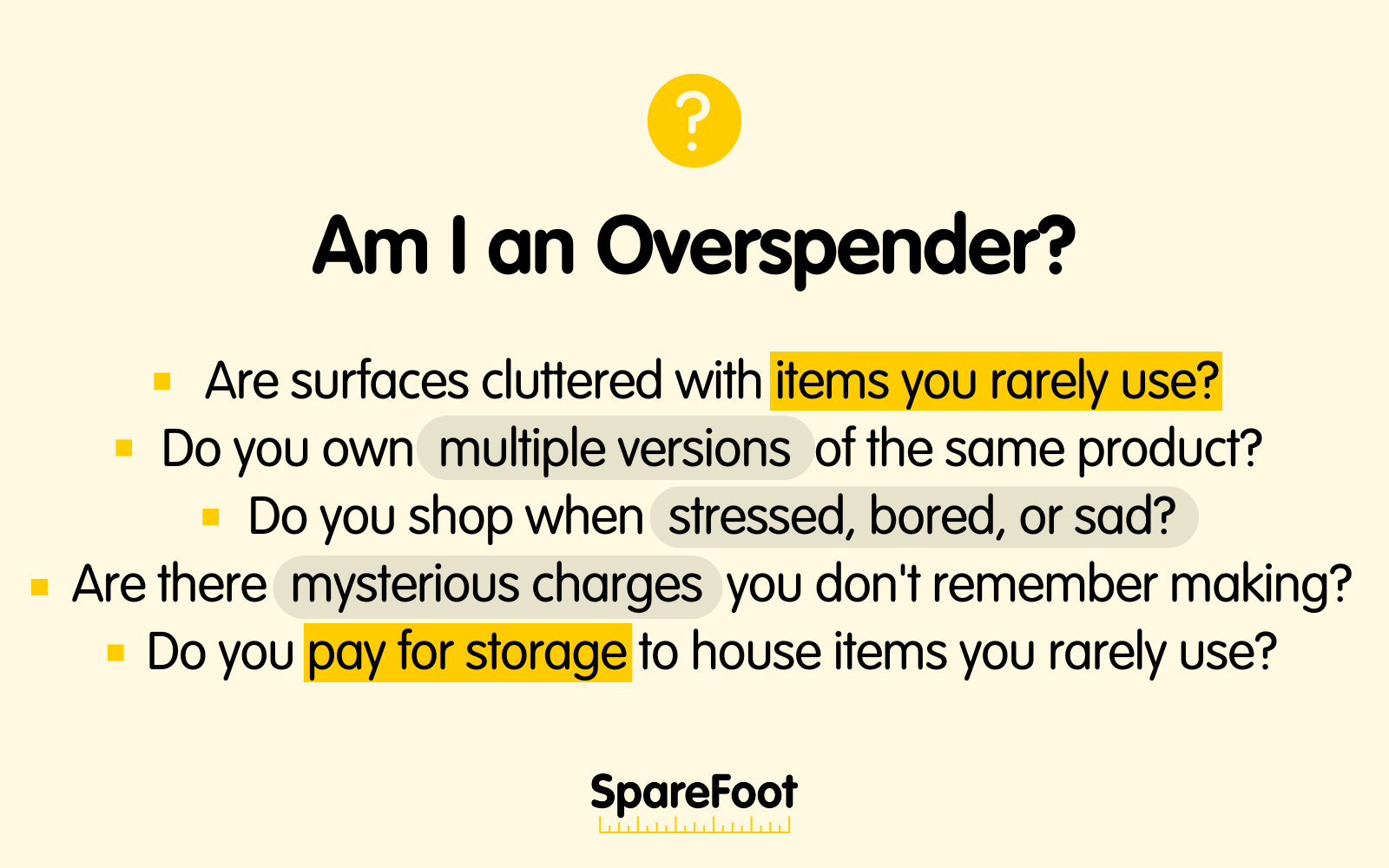
Walk through your home with fresh eyes. Are surfaces cluttered with items you rarely use? Do you own multiple versions of the same product? Many people discover they’ve accumulated duplicate items simply because they forgot what they already owned. These physical signs of overconsumption create visual stress and make it harder to find and appreciate what you actually need.
The connection between our physical environment and mental well-being runs deep. Research shows that cluttered spaces can increase cortisol levels and contribute to anxiety, making it even more important to address excess possessions thoughtfully.
Emotional and Financial Red Flags
Emotional spending often masquerades as retail therapy, but the relief is temporary while the consequences accumulate. Do you shop when stressed, bored, or sad? Nearly half (47%) of Americans say money has a negative impact on their mental health, causing anxiety and stress that can perpetuate the cycle of emotional spending.
Financial warning signs include credit card debt from non-essential purchases, mysterious charges you don’t remember making, or needing to pay for storage to house items you rarely use. If you’re hiding purchases from family members or comparing your possessions to others on social media, these behaviors signal that consumption has moved beyond meeting genuine needs.
Why Does Overconsumption Happen?
Social media and comparison culture fuel much of today’s overconsumption crisis. Platforms designed to capture our attention also expose us to countless lifestyle influencers and targeted advertisements, creating artificial needs and desires. The phenomenon of “comparison culture” leads us to believe that we need to keep up with carefully curated online personas, resulting in purchases driven by inadequacy rather than necessity.
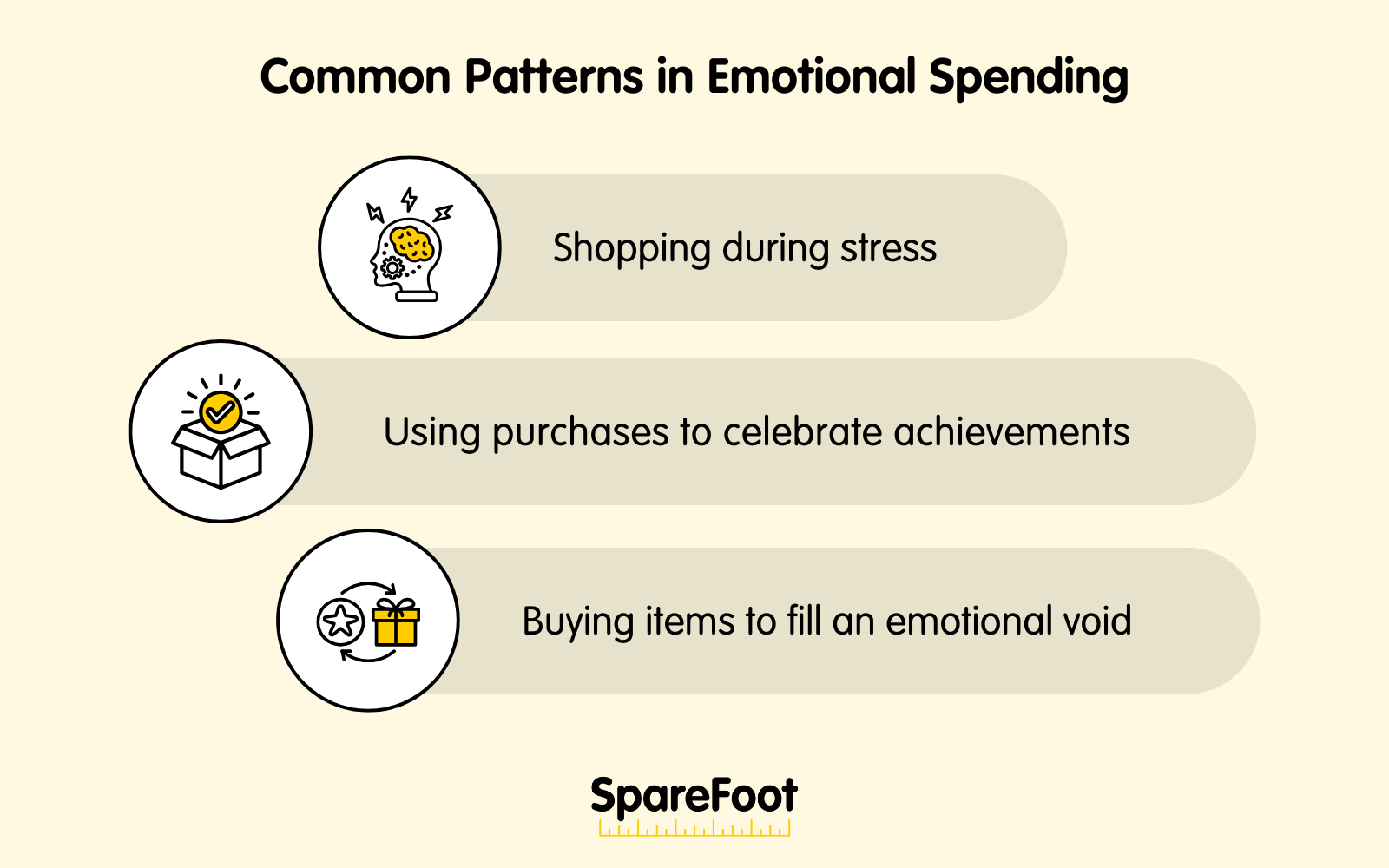
Emotional spending triggers vary by individual, but common patterns include shopping during stress, using purchases to celebrate achievements, or buying items to fill an emotional void. The numbers tell a powerful story: 54% of Americans have spent $100 or more on a single impulse purchase, with 20% spending at least $1,000 on something they hadn’t planned to buy. Recognizing your personal triggers is crucial because spotting them in the moment gives you the power to pause and make conscious decisions rather than impulsive ones.
The myth of retail therapy persists because purchasing does provide a temporary dopamine boost. But this neurochemical reward is short-lived, often followed by guilt, financial stress, or buyer’s remorse. True emotional healing requires addressing underlying issues rather than temporarily masking them through consumption.
Your personal spending patterns involve tracking not just what you buy, but when and why you buy it. Many people discover they shop most impulsively during specific times of day, emotional states, or life circumstances. This awareness becomes the foundation for developing healthier coping strategies.
How to Stop Overspending and Overconsuming
Phase 1: The Emergency Stop

When overconsumption has spiraled out of control, your first step is creating an immediate pause in the spending cycle. It may feel jarring, but it prevents further financial and emotional damage.
Implementing a 30-Day Purchasing Freeze
A purchasing freeze means buying only true necessities for 30 days. Essential items include food, medications, and emergency repairs, but everything else goes on hold. This break gives you space to recognize automatic purchasing urges and develop alternative responses to them.
During your freeze, carry a small notebook or use your phone to record every urge to buy something. Recording every urge to buy something creates awareness around your spending patterns without judgment. Write down the item, where you were, how you were feeling, and what triggered the desire.
Creating Physical and Digital Barriers
Remove shopping apps from your phone and unsubscribe from marketing emails and text alerts. These seemingly small actions eliminate dozens of daily purchase prompts that you may not even consciously notice. If you need to shop online, require yourself to type in website URLs manually rather than clicking convenient saved links.
Consider having a trusted friend or family member temporarily hold your credit cards, keeping only one debit card for essential purchases. This creates helpful friction that interrupts impulsive buying while still allowing access to necessary funds.
Building New Response Patterns
When shopping urges arise, implement a replacement activity immediately. This could be taking a walk, calling a friend, organizing a single drawer, or practicing a creative hobby. What matters most is having predetermined alternatives ready so you don’t have to rely on willpower alone in vulnerable moments.
Phase 2: The Great Reckoning – What Do You Actually Own?

Once you’ve created some breathing room from active purchasing, it’s time to face the full scope of your possessions. This phase can feel overwhelming, which is why approaching it systematically makes all the difference.
Conducting a Room-by-Room Inventory
Start with one manageable area, perhaps a single closet or bathroom cabinet. Completely empty the space and lay everything out where you can see it. This “shock and awe” method reveals the true volume of accumulated items and often provides the motivation needed to continue the process.
This approach works because seeing everything at once creates an undeniable visual reality check. Many people discover they own multiple versions of the same item, forgot about purchases entirely, or realize they’ve been using only a fraction of what they actually own.
Create four distinct categories: Keep, Store, Donate, and Trash. Items you love and use regularly belong in the “Keep” pile. Things with sentimental value or seasonal items you genuinely need can go in the “Store” category. Quality items you no longer use should be donated, while broken or worn-out things can be discarded responsibly.
Temporary Storage Solutions During Overwhelm
If the sorting process becomes overwhelming, consider using temporary storage solutions to create manageable phases. Rather than rushing through decisions about every item, you can temporarily store things while you process the emotional and logistical aspects of downsizing. When you’re ready to pack items for storage, choosing the right containers for your specific items helps ensure everything stays in good condition.
Professional storage facilities give you breathing room to work through the process without rushing important decisions and without the pressure of having everything figured out immediately.
Calculating the True Cost
As you sort through unused items, calculate what you spent on things you never used or rarely touched. Add up the cost of clothing with tags still attached, gadgets that stayed in boxes, and exercise equipment that became expensive coat racks. The goal isn’t shame, it’s creating awareness that can inform future purchasing decisions.
Consider also the indirect costs: the time spent shopping, the mental energy required to manage clutter, and the opportunity cost of money that could have been saved or invested instead.
Phase 3: Creating Systems to Prevent Falling Back Into Old Habits

Recovery from overconsumption requires more than just decluttering; it demands building new systems that support mindful decision-making long-term.
The Pre-Purchase Checklist
Before buying anything non-essential, run through a standardized set of questions: Do I already own something similar? Where will I store this? How many times will I realistically use it in the next year? Can I borrow, rent, or buy it used instead? Waiting 24-48 hours before purchasing anything over a set dollar amount (perhaps $50) also helps distinguish between genuine needs and impulse desires.
Shopping Your Home First
Before buying organizational tools, storage containers, or household items, shop your own home first. You might discover forgotten treasures that serve your current needs, or items that can be repurposed creatively. This practice helps you appreciate what you already own while avoiding unnecessary purchases.
Developing an organized inventory system becomes crucial here. If you choose to use storage solutions, keeping detailed lists of what you’ve stored prevents you from buying duplicates and helps you locate items when needed.
Building in Waiting Periods and Alternative Activities
Implement graduated waiting periods based on purchase price. For items under $25, wait 24 hours. For items $25-100, wait one week. For anything over $100, wait one month. Use this time to research alternatives, read reviews, and honestly assess whether the purchase aligns with your values and goals.
Develop a robust list of alternative activities to replace shopping as entertainment or emotional regulation. This might include hiking, calling friends, working on creative projects, volunteering, or organizing and enjoying items you already own. The goal is to have fulfilling options ready when the urge to shop strikes.
Phase 4: Maximizing What You Already Have
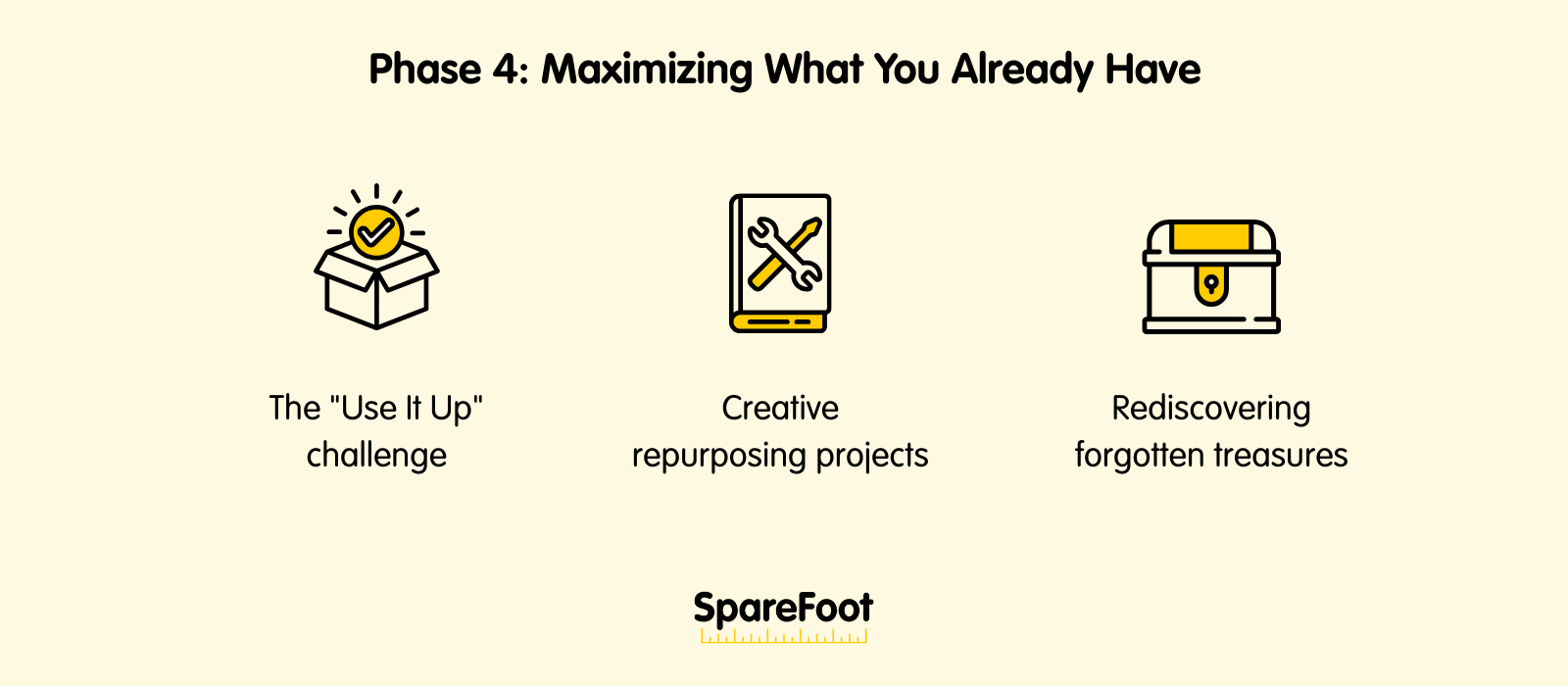
The final phase of overconsumption recovery involves rediscovering joy and utility in your existing possessions while developing a more mindful relationship with material goods.
The “Use It Up” Challenge That Changed Everything
Here’s a game-changing challenge that can completely shift your perspective: commit to using up what you already have before buying anything new. This applies to everything from that collection of half-used lotions in your bathroom to craft supplies that have been sitting in boxes for months.
Create a visible display of items you’re committed to using up. This keeps them top-of-mind and helps you appreciate what you already own rather than constantly seeking new options.
Creative Repurposing Projects
Transform existing items to serve new purposes before buying something new. Old furniture can be refinished, clothing can be altered or turned into cleaning rags, and containers can be repurposed for organization. If you have access to a climate-controlled storage space, consider using it as a workshop area for DIY projects that breathe new life into existing items.
Rediscovering Forgotten Treasures
Set aside time monthly to rediscover items you already own. Rotate seasonal decorations, jewelry, books, and clothing so that “new-to-you” items regularly circulate into your active use. When you’re ready to pack items for storage, choosing the right containers for your specific items helps ensure everything stays in good condition.
Rediscovering forgotten possessions creates the novelty and excitement of new purchases without the financial cost or environmental impact.
It’s also a chance to fall in love with your possessions again, appreciating their function, beauty, or sentimental value instead of constantly seeking new additions to your collection.
Start Your Minimalism and Decluttering Journey with the Help of SpareFoot
Breaking free from overconsumption isn’t about perfect adherence to strict rules; it’s about developing awareness, building systems, and making gradual progress toward a more intentional relationship with material goods. Setbacks are normal and don’t negate your overall progress. The goal isn’t to never buy anything again, but to make purchasing decisions that align with your values, needs, and long-term financial health.
If you’re feeling overwhelmed by the decluttering process, don’t forget that storage solutions can provide temporary relief while you make thoughtful decisions about your possessions. Professional storage facilities offer secure, organized spaces that can serve as a bridge between overconsumption and intentional living, giving you the time and space needed to approach your decluttering recovery at a sustainable pace.
Small wins and consistent progress matter more than dramatic transformations. Celebrate each conscious purchasing decision, each successfully used-up product, and each space you’ve reclaimed from clutter. These incremental changes compound over time, leading to lasting transformation in both your physical environment and financial well-being.
So, how do you get started? Think of each room as one separate segment. Then, segment each room into smaller sections. Start with just one drawer, one shelf, or one category of items. Begin implementing your 30-day purchasing freeze today, and know that recovery is a journey, not a destination. Find affordable storage solutions near you to support your decluttering process and create the breathing room you need to build healthier consumption habits for life.
FAQs
Focus on redirecting spending toward experiences and items that truly align with your values rather than eliminating all purchases. Use the waiting period strategy to ensure purchases are intentional, and celebrate the money you save by putting it toward meaningful goals like travel, education, or debt reduction.
Start small with just one category or area to avoid overwhelm. Consider temporary storage solutions to immediately reclaim your living space while you work through decisions about individual items. This process takes time, and it’s okay to make gradual progress rather than trying to declutter everything at once.
The distinction often lies in whether purchases serve genuine needs versus filling emotional voids, and whether you can comfortably afford them without debt or financial stress. Ask yourself: Do I use what I buy? Do my purchases align with my stated values and goals? Am I buying to impress others or to meet my own needs?
Not necessarily. Focus on keeping items that you genuinely love, use regularly, or serve important functions in your life. Properly storing seasonal or sentimental items can be more practical than discarding everything, especially if the items are high-quality or hold meaningful memories.
Guilt about past purchases can actually fuel more emotional spending. Instead, view those purchases as expensive but valuable lessons about your triggers and decision-making patterns. Focus on how this awareness will help you make better choices moving forward, and consider selling unused items to recoup some of the cost.
Start by sharing your specific goals and the positive outcomes you’re working toward, less financial stress, more savings for family experiences, or simply having a calmer living environment. Explain that you’re not trying to live like a monk, but rather making more intentional choices about what you bring into your home. If your family enjoys shopping together as bonding time, suggest alternative activities like hiking, cooking together, visiting free museums, or working on DIY projects with items you already own. Be patient as they adjust to your new approach, and consider involving them in tracking family savings goals so they can see the tangible benefits of more mindful spending.
When used strategically and temporarily, storage can be a valuable tool during the recovery process. What’s important is viewing it as a transitional solution that gives you space to make thoughtful decisions, not as a way to avoid dealing with excess possessions permanently. Set clear timelines and goals for the items you store.

Melynda Kloc
With a deep passion for writing, poetry, and storytelling, I've built a career creating copy that educates, builds trust, and encourages genuine connection between customers and brands. Drawing from my background in fine arts, I bring a creative perspective to strategic content that prioritizes authentic voice over formulaic approaches. I believe the best copy doesn't just inform—it creates real human connection in an increasingly automated world.


