tracking-pixeltracking-pixel
Find the Best Dirt Bike Storage For You

Find the Best Dirt Bike Storage For You

Your dirt bike is always there for you, kicking up the mud life’s trying to drag you through. Treat your ride like the friend it is by giving it a dignified storage space that’s not a small corner of your driveway or tucked in the shed of shame. There are a lot of dirt bike storage solutions out there, but few are as effective as a storage unit for your dirt bike. Forget about the cramped garage or the haphazardly built dirt bike storage shed you bought with the best of intentions. SpareFoot is here to connect you with storage units close to home that offer rider-friendly amenities like ground-level access, tight security, climate control, and enough extra space for all your gear.

Popular Dirt Bike Storage Facilities Near Columbus, OH

scroll leftscroll right

The Perks of Storing a Dirt Bike in a Storage Unit

Your dirt bike isn’t just another utility like a lawn mower or another bulky item that needs to be stowed away until you need it. It’s an investment, a vehicle, and a source of excitement. Riders like you know that a dirt bike storage solution needs:

  • Accessibility that doesn't require a PhD in physics to get your bike in and out.

  • Proper ventilation to prevent condensation and corrosion issues.

  • Security that works against thieves who specifically target recreational vehicles.

  • Space for the ecosystem because a dirt bike is never just a dirt bike—there are kits, tools, helmets, gloves, gas cans, and countless other accessories.

content section background image

Dirt Bike Storage Unit Costs

Understanding dirt bike storage costs goes beyond just the monthly rent – it's about getting the right value for your needs.

Storage prices typically range from $59 for basic outdoor coverage to $189+ for premium indoor units with all the amenities. But the real question is… which features matter for your situation?

This guide breaks down what you get at each price point, from basic bike-only storage to full workshop setups with climate control and 24/7 access.

Size

Mostly Cost

What Fits

Electricity

Ground Floor or Drive Up Access

24/7 Access

Climate Control

$69-891 bike onlyPowered outletsConvenienceFlexibilityWeather, heat, and humidity protection
$89-1191 bike + gearFit for battery tender/maintainerConvenienceFlexibilityWeather, heat, and humidity protection
$119-1492 bikes or 1 bike + trailerInstall lighting, use toolsConvenienceFlexibilityWeather, heat, and humidity protection
$149-1893+ bikes or workshop setupWorkshop potentialConvenienceFlexibilityWeather, heat, and humidity protection

Outdoor

$59-79Any bikeNot availableConvenienceFlexibilityNot available

Dirt Bike Storage Solutions At A Glance

  • 5x10: Basic storage, tight fit.

  • 10x10: Most popular choice, room for bike and accessories

  • 10x15: Perfect for multi-bike collections

  • 10x20: Ideal storage and workshop space for serious riders

  • Outdoor: Budget-friendly option, short-term, weather protection only

Dirt Bike Storage Unit Size Guide

The key to successful dirt bike storage isn't just finding space – it's finding the right space. Here's how smart riders choose:

scroll leftscroll right
psp-unit-cards-image

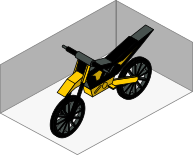
5x10 Storage Unit

Best for: Single bike owners who keep their gear elsewhere

Monthly cost: $69-89

Pro tip: Only consider this if you have separate gear storage at home

psp-unit-cards-image

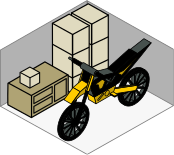
10x10 Storage Unit

Best for: Most single-bike owners who want it done right

Monthly cost: $89-119

Pro tip: This is where most experienced riders end up. You can truly use the space, not just cram stuff into it.

psp-unit-cards-image

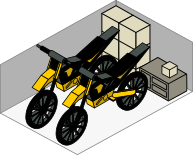
10x15 Storage Unit

Best for: Serious riders or those with multiple bikes

Monthly cost: $119-149

Pro tip: You can work on your bike in the space, organize equipment by season, and still have room to grow your collection

psp-unit-cards-image

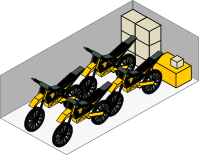
10x20 Storage Unit

Best for: Multiple bikes, trailer storage, or a comprehensive workshop setup

Monthly cost: $149-189

Pro tip: Perfect for families with multiple riders or serious collectors.

Dirt Bike Storage: Outdoor vs Indoor

Covered Outdoor Parking

Monthly cost: $59-79

Best for:

  • Riders in mild climates who access their bikes frequently

  • Short term storage

  • Easy access

  • Most affordable dirt bike storage options

Indoor Storage

Monthly cost: $89-189+

Best for:

  • A stable temperature prevents condensation

  • Dust protection keeps your bike cleaner

  • Enhanced security with multiple barriers

  • Climate control options for serious investments

content section background image

Dirt Bike Winter Storage 101

Dirt bike winter storage preparation isn't just about parking your bike for a few months – it's about ensuring your ride revs up perfectly when riding season returns. Here's what separates amateur storage from intentional preparation:

72-Hour Pre-Storage Protocol

Days 1-2: Deep Clean and Inspect

  • Completely wash and dry (including chain and sprockets) your bike and accessories

  • Document any existing damage with photos

  • Check for loose bolts, worn parts, or developing issues

  • Address any maintenance items now, not in spring

Day-3: Fluid and Fuel Management

  • Change the oil and filter (even if "not due yet")

  • Choose your fuel strategy: stabilizer or complete drain

  • Top off coolant and brake fluid

  • Check hydraulic fluid levels

Dirt Bike Winter Storage Pro Tips

  • Battery Management: Remove and store indoors with a smart charger. Batteries left in cold storage units often fail by spring.

  • Tire Strategy: Either inflate to maximum pressure or use a bike stand. Flat spots from months of weight are expensive to fix.

  • Corrosion Prevention: Light oil on exposed metal, chain lubrication, and proper cover selection make the difference between spring maintenance and spring repair.

Dirt Bike Storage FAQs

Dirt Bike Storage FAQs

Can you store a dirt bike in a storage unit?

Yes. It’s a great storage solution for your dirt bike. Storing your bike in a storage unit is not only allowed but highly beneficial. It's one of the most popular vehicle storage solutions we help customers find. Most storage facilities welcome dirt bikes, and many specialize in recreational vehicle storage with features designed specifically for two-wheeled vehicles.

Do I need a climate-controlled dirt bike storage unit?

Climate control isn't necessary for every dirt bike, but it's valuable for certain situations. If your bike has sensitive electronics or you're storing it in a region with extreme temperature swings or high humidity, climate control is worth the extra investment.

Modern fuel-injected bikes with advanced electronics, GPS systems, and digital displays benefit from stable temperatures. Temperature fluctuations cause condensation, which can damage electrical components, corrode metal parts, and create moisture issues in fuel systems. Vintage bikes or carbureted models are generally more tolerant of temperature variations.

Climate control also protects rubber components like tires, seals, and hoses from cracking due to extreme temperatures. If you're storing expensive gear alongside your bike – leather boots, helmets, or protective equipment, climate control prevents deterioration and extends their lifespan.

Storage duration is a factor to consider as well. Short-term storage rarely requires climate control, but longer or multi-seasonal storage periods increase the risk of moisture and temperature damage. Geographic location matters significantly. Storage in hot or humid areas like Arizona, Florida, or other extreme climates benefits more from climate control than moderate regions.

How to prepare my dirt bike for winter storage?

Start with a thorough cleaning – remove all dirt, mud, and debris that could trap moisture and cause corrosion. Pay special attention to the chain, sprockets, and any areas where salt or grime might accumulate.

Drain the fuel tank completely or add high-quality fuel stabilizer and run the engine for 5-10 minutes to circulate treated fuel through the system. Untreated fuel can gum up carburetors and fuel injection components during extended storage.

Change the engine oil and filter, even if they're not due for replacement. Used oil contains acids and contaminants that can damage internal components during storage. Remove the battery and store it in a cool, dry location, ideally connected to a battery tender to maintain charge throughout winter.

Check tire pressure and inflate to the maximum recommended PSI, or use a motorcycle stand to remove weight from tires and suspension components. This prevents flat spots and maintains suspension seals. Lubricate the chain and all moving parts according to your owner's manual.

Lastly, cover your bike with a breathable cover. Avoid plastic tarps that trap moisture. If storing in a non-climate-controlled unit, consider moisture absorbers to prevent condensation issues. Document your bike's condition with photos and check on it monthly if possible.

How do I take my dirt bike out of storage?

Taking your dirt bike out of storage properly ensures a safe, successful return to the trails. Start your inspection before even attempting to start the engine – check for any signs of rodent damage, moisture issues, or security concerns that might have occurred during storage.

Reinstall the battery if you removed it, ensuring clean, tight connections. Check all fluid levels, including oil, coolant, and brake fluid. If you drained the fuel system, add fresh gasoline. If you used a fuel stabilizer, the existing fuel should be fine, but adding some fresh fuel helps dilute any degraded components.

Inspect tires for proper pressure and any signs of cracking or flat spots. Check the chain for proper tension and lubrication – apply fresh chain lube if needed. Look over cables, controls, and lights to ensure everything operates smoothly.

Before your first ride, start the engine and let it warm up properly. Check that all electrical components are working correctly and that the bike shifts through all gears smoothly. Take a short test ride in a safe area to verify that the brakes, clutch, and handling feel normal.

Consider this an opportunity for a thorough inspection. Check the air filter condition, brake pad wear, and any maintenance items that might be due. Many riders schedule a professional tune-up when taking bikes out of long-term storage to ensure everything is trail-ready.


What's the best way to organize a dirt bike storage unit?

When it comes to dirt bike storage unit organization, it’s best to compartmentalize. Think in zones, not piles. Create a bike parking area near the door, gear storage along one wall, and maintenance supplies in the back. Use vertical space with shelving for helmets, boots, and gear. Keep frequently used items accessible and seasonal items toward the back.

Invest in clear storage bins for parts and accessories. Label everything. Use bike stands or hooks to maximize floor space. Consider a small workbench if your unit allows it. The goal is functionality, not just storage.